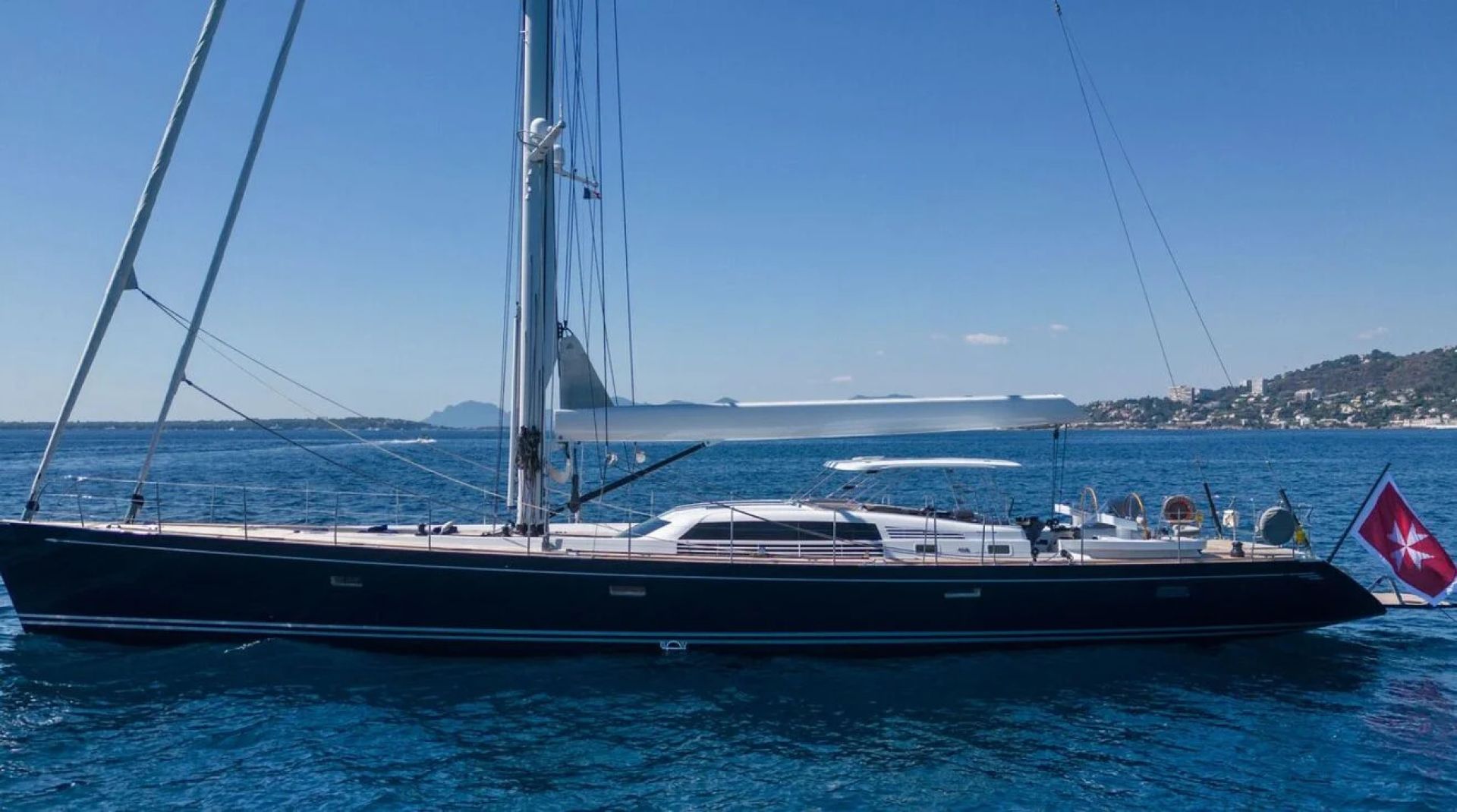
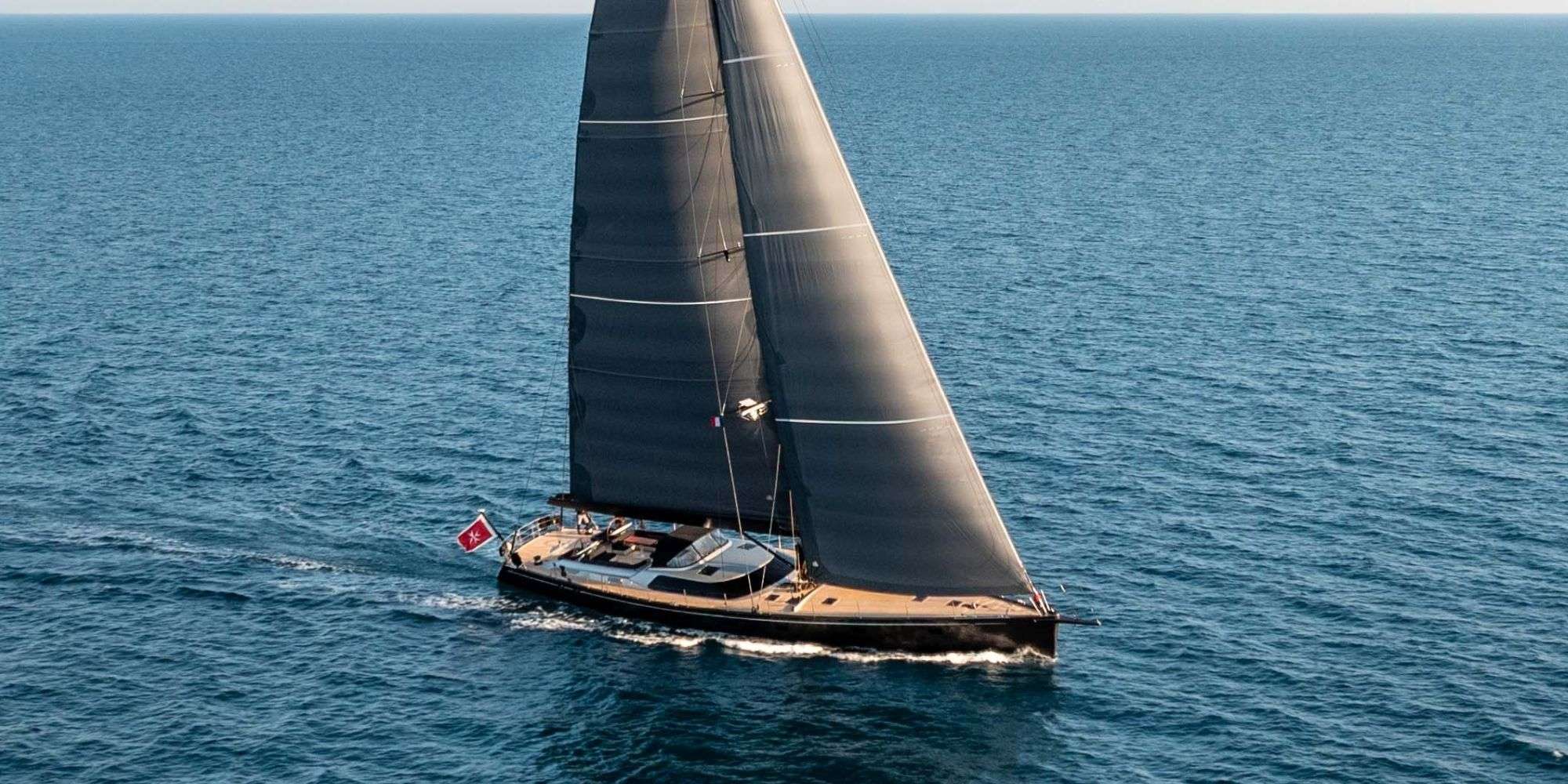
A Caribbean Sailboat Charter is an outstanding Vacation. With warmth almost year-round, the Caribbean is an ideal vacation destination with something for everyone.
A Caribbean sailboat charter combines a private yacht, a flexible island itinerary, and direct access to beaches, reefs, and anchorages. You can choose a crewed monohull or sailing catamaran, then match the yacht and route to your group size, comfort preferences, and budget.
On a fully crewed charter, the captain manages navigation while the chef or professional crew prepares meals and provides onboard service. Some yachts have two crew members. Larger yachts may carry additional crew and offer a higher level of service.
Bareboat charters offer more independence, but they require suitable sailing experience and separate planning for provisioning, fuel, moorings, insurance, cleaning, and other operating costs.
Family Fun: kids love sailing because it’s not just a boring old boat ride. They can watch the captain steer, explore onboard, and swim off the side if they feel brave. Or you can even attend cooking classes while onboard. All around, a Caribbean sailboat charter is a fantastic vacation.
BVISAIL can compare current Caribbean yachts, explain the crewed charter inclusions, and prepare options quoted with inclusions and exclusions.
A crewed Caribbean sailboat charter usually works best for guests who want the captain, chef, meals, and onboard service included. Sailing catamarans offer more level living space, while monohulls provide a traditional sailing experience. Your best destination depends on flight access, sailing conditions, nightlife, diving, beaches, and the level of seclusion you prefer.
Therefore, put the Caribbean on your bucket list during the high season.
Both yacht types can provide a private, fully crewed Caribbean vacation. The right choice depends on how much you value traditional sailing performance, level living space, stability, and easy access to the water.
| Feature | Monohull sailing yacht | Sailing catamaran |
| Best for | Guests who want a traditional sailing experience | Families and groups that prioritize space and stability |
| Underway feel | Heels as the yacht sails and can feel more dynamic | Usually remains more level underway |
| Living space | Narrower layout with a classic sailing profile | Wider platform with separate indoor and outdoor areas |
| Water access | Varies by yacht; often through a stern platform | Twin hulls often provide two swim platforms |
| Cabin layout | Varies by length and design | Often offers multiple similarly sized guest cabins |
| Draft | Usually deeper | Often shallower, subject to the specific yacht |
One is a traditional sailboat; as you can imagine, this is formally a “Monohull.” Having 1 “mono” hull typically allows the vessel to sail faster overall. However, it does lean over “sometimes fairly dramatically.” So, feel the wind on your face while marveling at how the boat moves.
On the one hand, this makes for a more authentic and traditional sailing experience. Yet, it can be a bit cumbersome.
“Catamaran” is the second and more popular when chartering a sailboat in the Caribbean. Unlike the more traditional sailboats, a catamaran has two hulls and is a bit wider. The catamaran’s design is typically more spacious and much more stable for any sailing conditions. Surely, you’ll feel like you’re on a floating condo.
Sail to a new destination every day as one destination blends with another. All in an ever-changing landscape that promises a new exploration each time. You’ll be taking it all in, knowing you are on a crewed yacht. Plus, you can enjoy many excellent snorkeling spots in the Caribbean.
| Destination | Best for | Sailing style | Primary gateway | Typical access |
| British Virgin Islands | Families, first-time guests, beach bars, and easy island-hopping | Short passages and many protected anchorages | Tortola EIS or St. Thomas STT | Fly to EIS or connect through STT and continue by ferry or water taxi |
| United States Virgin Islands | U.S. travelers, beaches, history, and convenient arrival | Flexible cruising around St. Thomas and St. John | St. Thomas STT | Direct or connecting U.S. flights; passport rules depend on citizenship and onward travel |
| Leeward Islands | Dining, nightlife, shopping, and multi-island variety | Longer passages between culturally distinct islands | St. Martin SXM or Antigua ANU | International or regional connections vary by embarkation island |
| Windward Islands | Diving, dramatic scenery, seclusion, and stronger sailing | More open-water passages and stronger trade-wind sailing | St. Lucia UVF, Grenada GND, or Barbados BGI | Flight routing depends on the embarkation point and itinerary |
The British Virgin Islands suit first-time charter guests because many popular stops are relatively close together. Protected anchorages, manageable passages, and a wide choice of beaches and snorkeling sites make it easier to balance sailing with time ashore.

Tortola is the largest BVI island and a common embarkation point. Road Town and nearby marinas provide charter services, restaurants, and provisioning. Cane Garden Bay and Smuggler’s Cove offer beach time, while Sage Mountain provides elevated views and hiking.
The Baths are known for granite boulders, pools, and narrow passages. North Sound adds resorts, beach clubs, watersports, and protected cruising areas. The captain will plan arrival times around weather, sea conditions, and mooring availability.
White Bay is known for clear water and beach bars, including the Soggy Dollar Bar. Great Harbour offers dining and nightlife, while the Bubbly Pool provides a different shoreside excursion when conditions allow.
Anegada offers long beaches, lobster dinners, and a more remote atmosphere. The passage requires more time than many other BVI legs, so the captain will decide whether it fits the forecast and the group’s preferred pace.
Norman Island is popular for snorkeling near the Caves and The Indians. Cooper Island offers Cistern Point and an easy beach-club stop. Peter Island adds quiet bays and swimming areas that can be included when conditions and operations permit.
View current conditions from the Soggy Dollar Bar at White Bay on Jost Van Dyke. The live feed is operated by a third party and may not always be available.
Also located on Jost Van Dyke is the famous or “infamous” Foxy’s bar and grill. All year round, Foxy’s draws many people seeking a perfect beach bar scenario. However, New Year’s eve is when this place gets going with its infamous “Old Year’s Night Party.” One of the most happening places in the world aboard a private yacht!
In addition, the BVI is popular for scuba diving, with many wrecks, caves, and reefs to explore. Check out these seven Amazing BVI Dive Spots.
A seven-night BVI route may combine Norman Island, Cooper Island, Virgin Gorda, Anegada, and Jost Van Dyke. The exact sequence should remain flexible because weather, sea conditions, and mooring availability can change.
The USVI can offer straightforward access through St. Thomas and a mix of beaches, history, shopping, and protected natural areas. U.S. citizens generally do not need a passport for travel solely within the USVI, but a passport may be required when an itinerary enters the BVI or another country.

St. Thomas combines major marina facilities with beaches, restaurants, and shopping. Magens Bay, Coki Point, and the Charlotte Amalie waterfront can fit into a land-and-water itinerary before or after embarkation.
Much of St. John is protected within Virgin Islands National Park. Trunk Bay, Cinnamon Bay, Coral Bay, and hiking trails give guests a choice of snorkeling, beach time, and shoreside exploration.
St. Croix lies farther south and is better suited to a dedicated itinerary than a rushed addition to a short St. Thomas route. Highlights include Christiansted, Buck Island, Cane Bay, and several well-known diving areas.
Here’s a link to anchorages in the US Virgin Islands.
The Leeward Islands offer contrasting cultures, dining, beaches, and nightlife. Depending on the yacht’s operating area, a charter may begin in St. Martin or Antigua and include islands such as Anguilla, St. Barths, St. Kitts, Nevis, Barbuda, or Guadeloupe.
Choose St. Martin and St. Barths for dining, shopping, and lively ports. Choose Antigua and Barbuda for beaches, history, and a broader mix of anchorages. Longer passages and border procedures may affect the route, so confirm the operating area before selecting a yacht.

Sailboat charter in the Windward Islands Sprinkled across the southern Lesser Antilles, stretching from Martinique to Grenada, the stunning Windward Islands blaze a trail of powder-white beaches and crystalline waters.
Lying in the southeastern Caribbean in the path of the northeast trade winds, Barbados, Trinidad & Tobago, Martinique, St Lucia, St Vincent, and The Grenadines, and Grenada are famous for their tropical scenery, stunning beaches, remote anchorages, and hidden coves: all the ingredients for a perfect yacht charter. Visit the Tobago Cays to see green turtles and coral reefs up close.
Volcanic and rugged, adorned with lush scenery and surrounded by whimsical reefs and cays. This excellent sailing destination benefits from the proximity between these islands. Those seeking secluded anchorages, excellent dive sites, and sublime island beauty will love this little slice of paradise.
So which island of the Caribbean is best for you and your next Sailboat Charter? Call us, and we will happily help you sort out any of your Caribbean yacht charter questions…
Provide your dates, guest count, cabin and bed requirements, destination preferences, and approximate budget.
Review yacht layouts, crew profiles, menus, amenities, water toys, rate structures, and operating areas.
Compare the base rate or inclusive rate with taxes, fees, dockage, transfers, excursions, and gratuity guidance.
Sign the charter agreement and submit the required deposit according to the contract terms.
Complete the preference sheet for meals, beverages, activities, medical considerations, and celebrations.
Work with the captain on a preferred itinerary while keeping the route flexible for weather and sea conditions.
Crewed sailing yachts can start near $15,000 per week, while larger or more luxurious options can exceed $50,000. Compare the full cost, including the rate basis, taxes, fees, dockage, transfers, and gratuity guidance.
December through April is the strongest winter sailing period in many Caribbean destinations. May and early June can offer fewer crowds, while June through November overlaps with the Atlantic hurricane season. Conditions vary by island and year.
All-inclusive charters often include the yacht, crew, meals, standard beverages, and selected water toys. Plus-expenses charters use a base rate and charge operating costs separately. Always review the individual agreement.
Choose a monohull for a more traditional sailing feel. Choose a sailing catamaran for wider living areas, greater separation between cabins, and a more level experience underway.
The BVI is often a strong first choice because popular islands are close together and many anchorages are protected. The USVI can also work well for travelers who prioritize convenient access through St. Thomas.
Requirements depend on citizenship and the countries included in the itinerary. U.S. citizens traveling only within the USVI generally do not need a passport, but a passport may be required for the BVI and other Caribbean destinations.
For Caribbean winter travel, booking six to twelve months ahead usually provides a stronger yacht selection. Christmas and New Year charters often require nine to twelve months of advance planning.
Yes. The captain may adjust the route for weather, sea conditions, port restrictions, mooring availability, and guest comfort. Your preferences guide the plan, but safety determines the final route.
Ready to set sail? Whether you’re looking for relaxation, adventure, or romance, we’ll help you find the perfect yacht and itinerary. Check out some available private sailboat charters in the Caribbean.
Contact us at 1-321-777-1707 or complete this form to discuss your vacation plans.