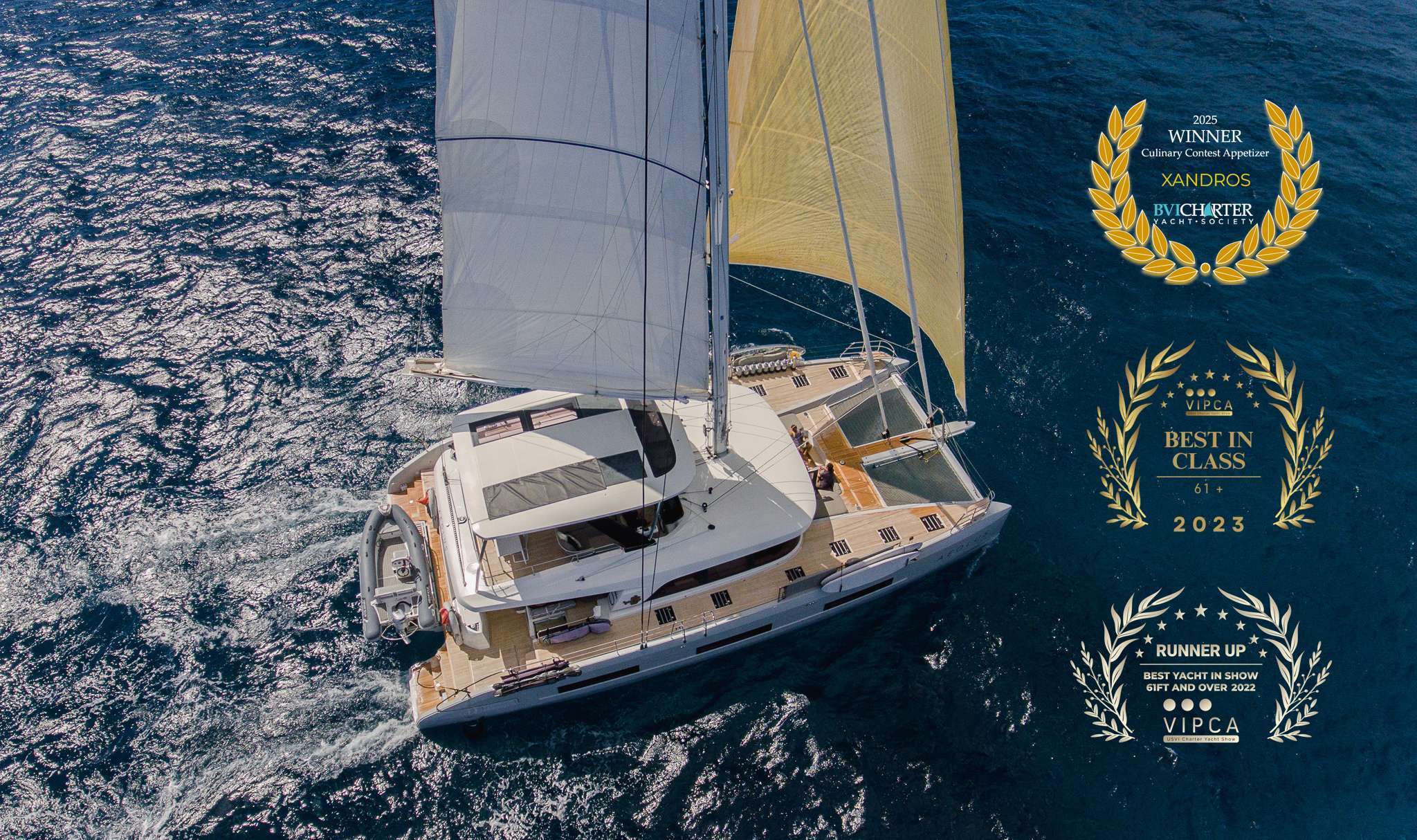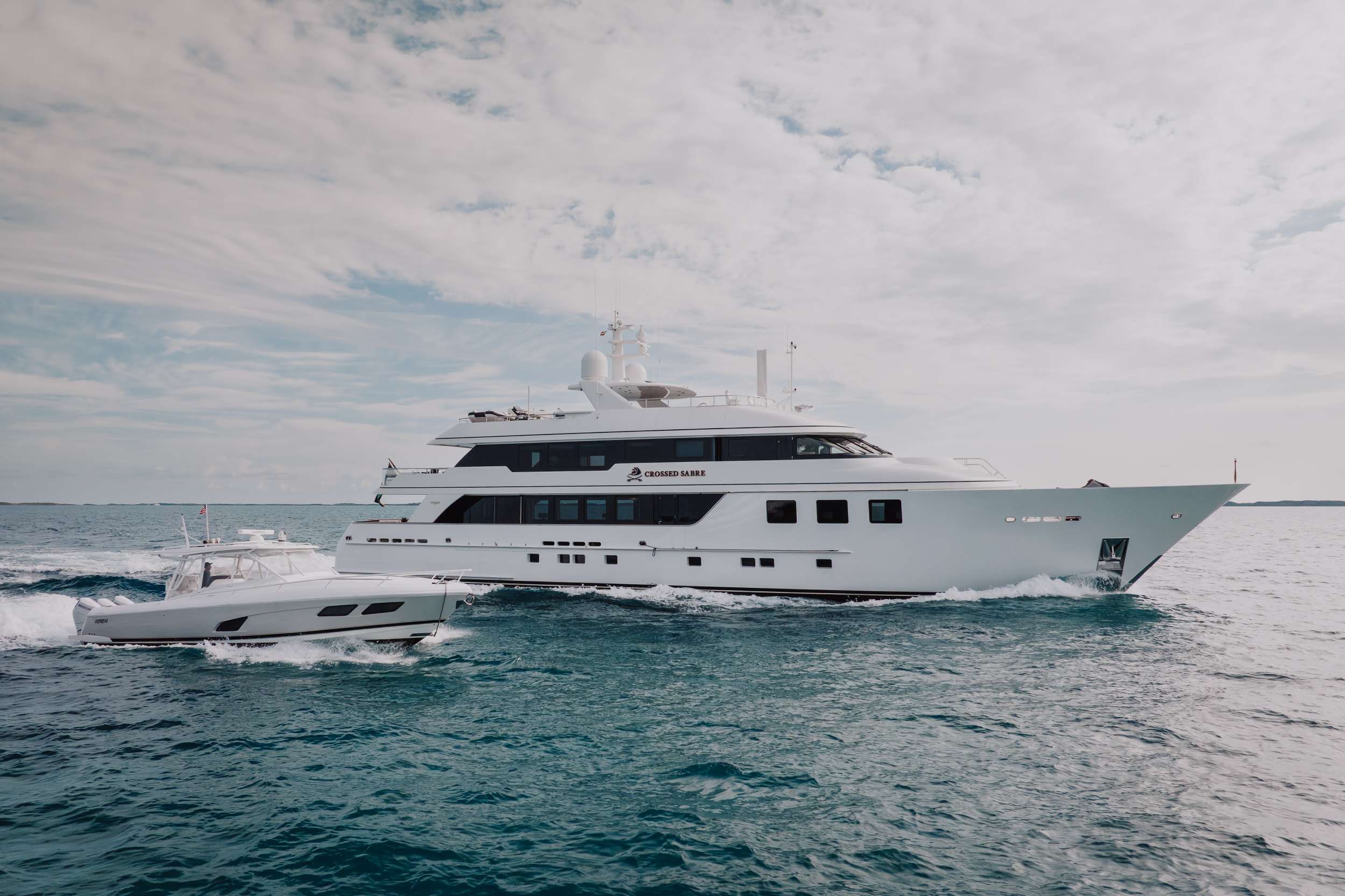

A BVI yacht charter for older adults offers short passages, sheltered anchorages, and a pace you choose. With the right vessel and itinerary, the British Virgin Islands are as rewarding at 70 or 80 as at any age. If older adults are traveling with children and parents, see our multigenerational yacht charter in the BVI guide for group-wide cabin, mobility, and itinerary planning.
Planning a BVI charter for older adults is about fit, not age. Vessel design and personal ability matter more than numbers. Some travellers choose a sailing catamaran, while others need main‑deck cabins and slower itineraries.
This guide is for:
This guide does not guarantee wheelchair accessibility. Chartering in the BVI involves physical demands — dinghies, tenders, dock heights, and open water vary by vessel and conditions. The goal is to help you identify the right fit, or decide if another type of trip may serve you better.
Short passages, plentiful anchorages, and flexible itineraries make compact geography a genuine benefit. With the right vessel, crew, and planning, the BVI rewards travellers who take their time.

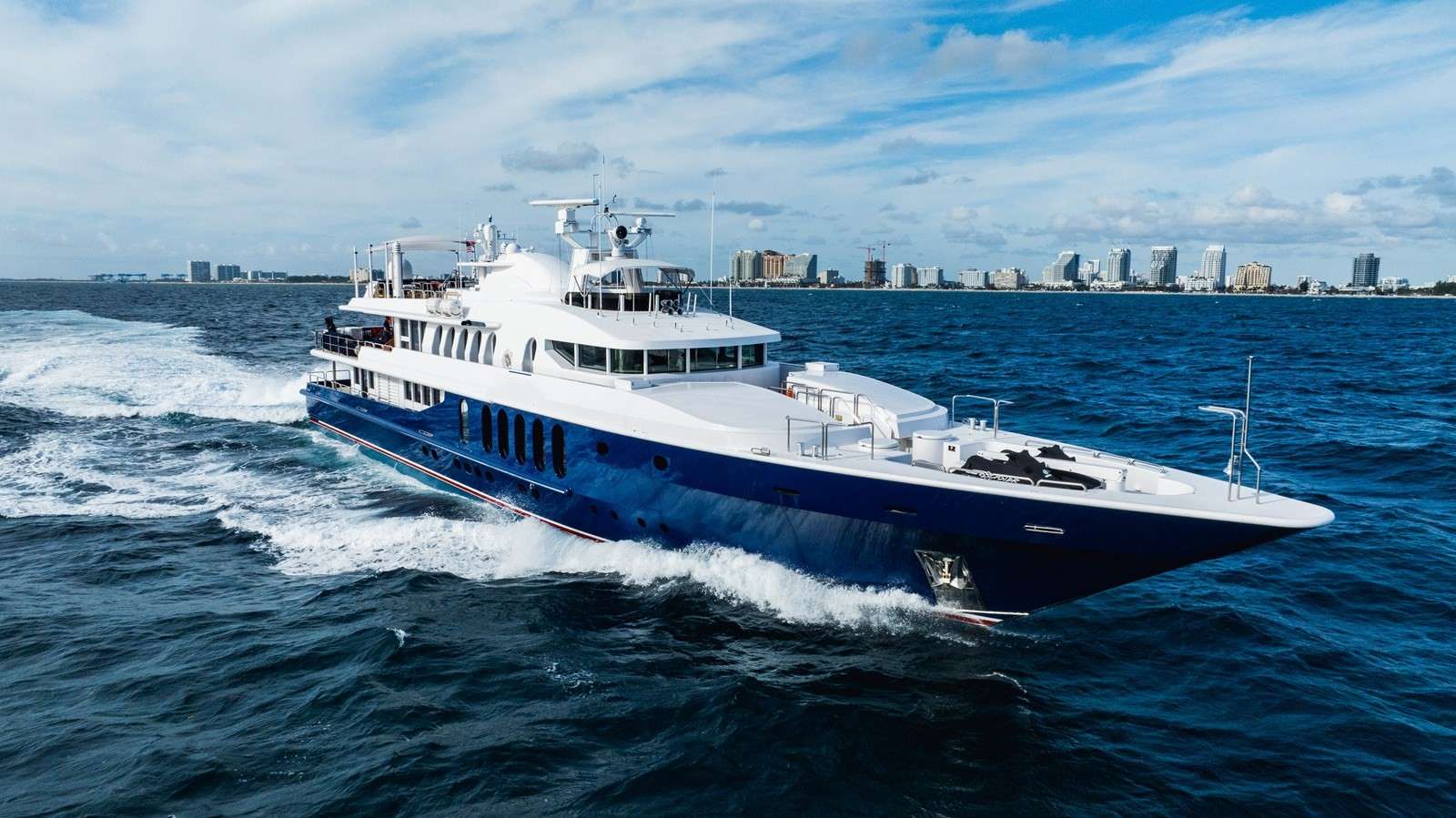
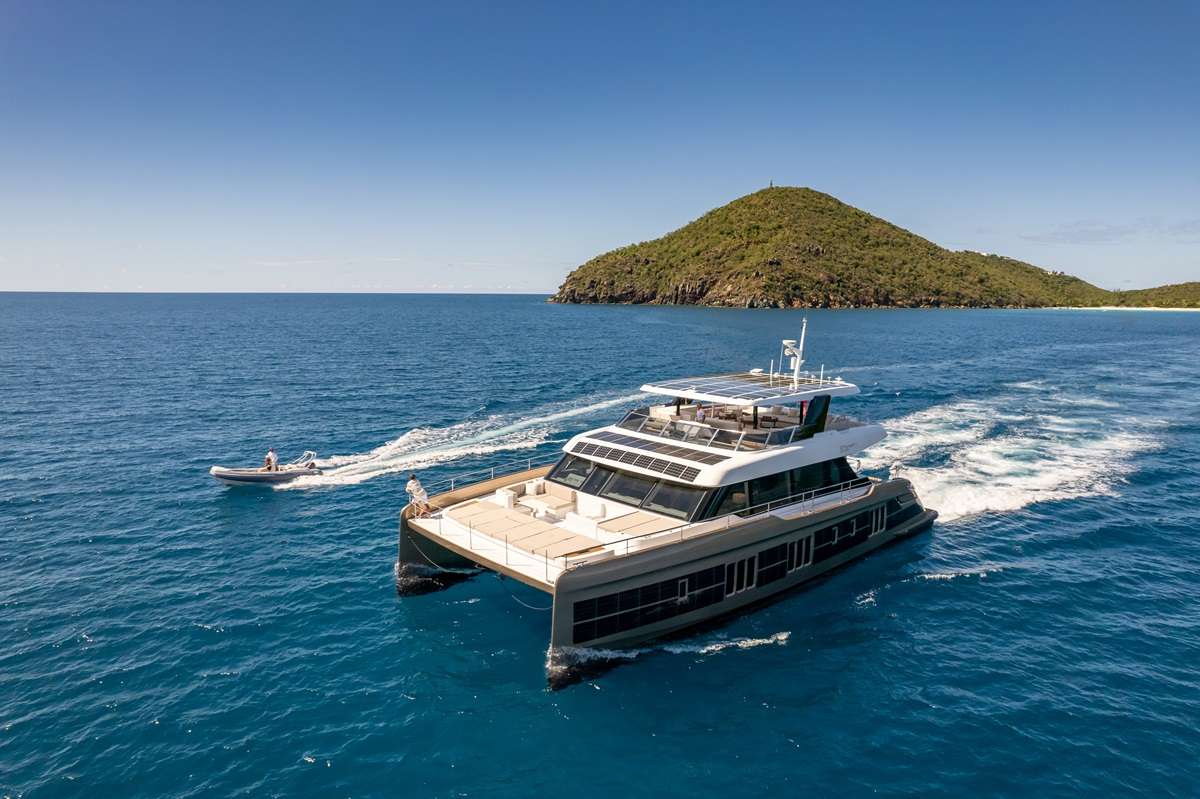
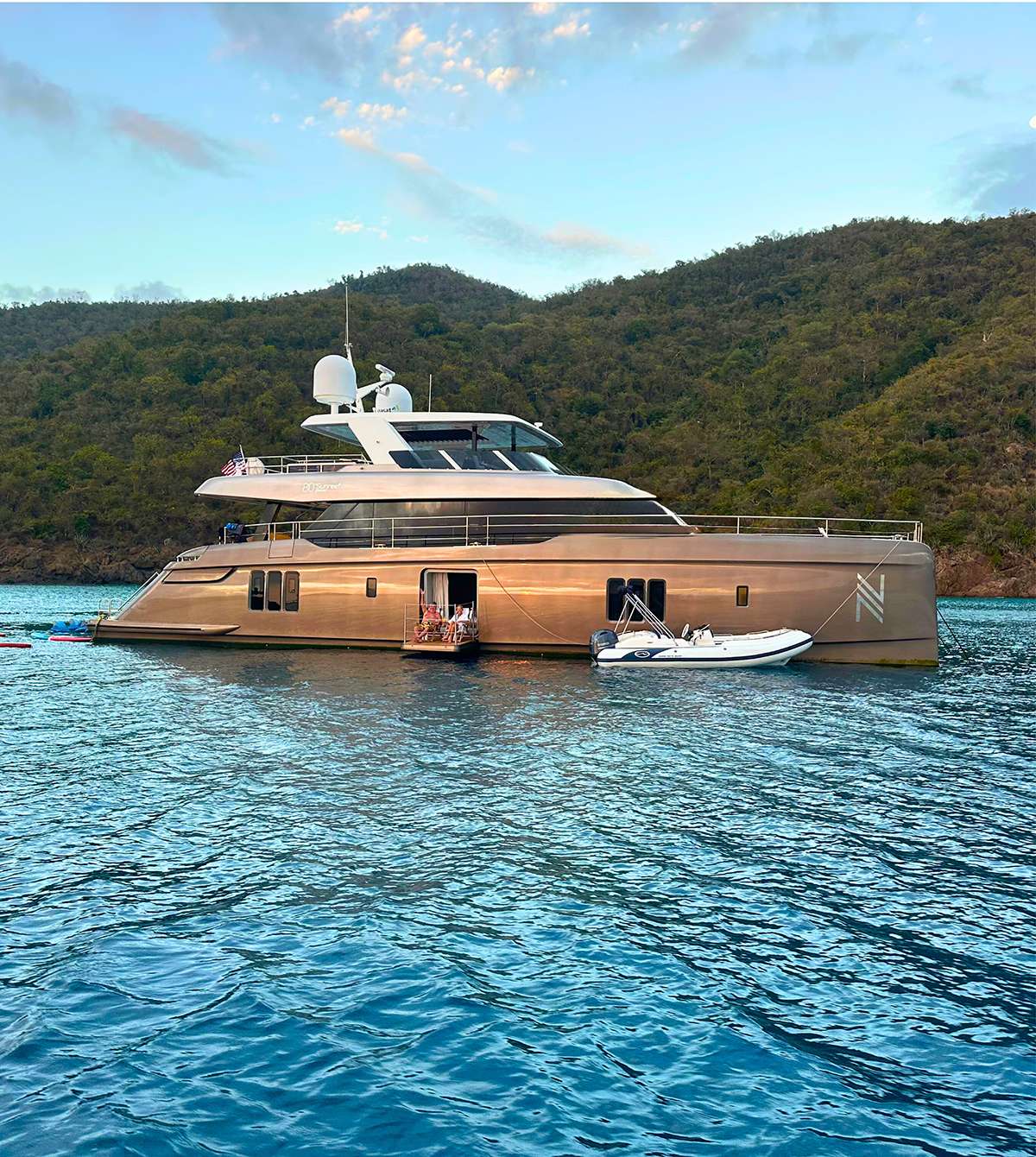
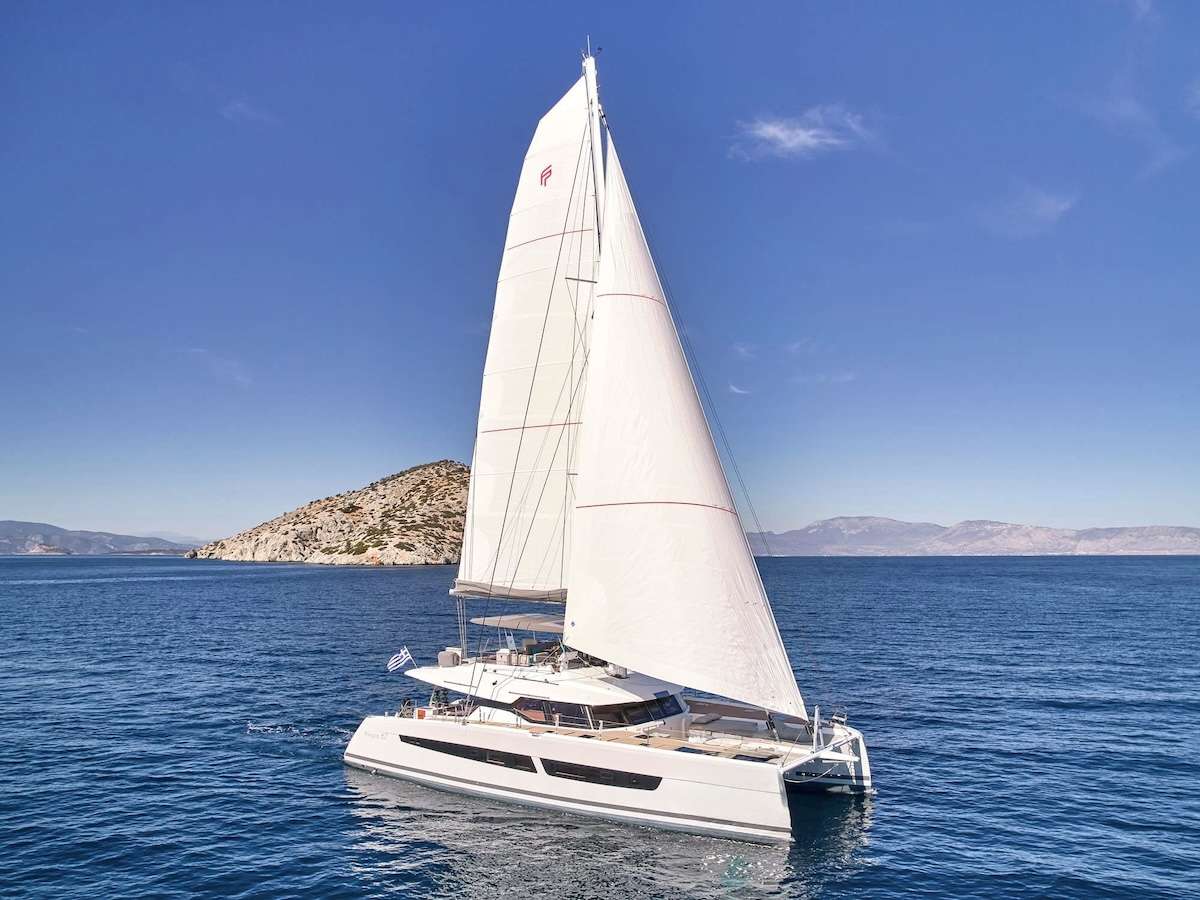
Choosing the right vessel is the most important step in planning a comfort‑focused trip. In the BVI, three main categories are available: sailing catamarans, power catamarans, and motor yachts. Guests focused on comfort usually skip monohulls, though they remain available for comparison.
The table highlights general patterns across vessel types. Individual yachts can differ a lot, so a specific model may not match the category description. Always ask for a deck plan and review details with a CKIM charter specialist before shortlisting.
| Feature | Sailing Catamaran | Power Catamaran | Motor Yacht | Monohull |
| Roll at anchor | Minimal — twin-hull design resists roll. | Minimal | Low to moderate; depends on hull design and displacement. | Moderate; some swell roll expected. |
| Heel under way | Slight heel possible; eased by reef or motor. | Negligible | None — power-driven. | Can heel significantly; angle varies by conditions. |
| Stabilizers available | Rarely | Some larger models | Many models; confirm per yacht. | Not typical |
| Cockpit & saloon size | Spacious; wide walkways. | Spacious; often hard-top. | Large, villa-style layouts. | Narrower; side decks can be tight. |
| Main-deck cabin option | Some models (owner’s cabin). | Common on larger models. | Standard on most designs. | Rarely available |
| Steps to cabins | Typically 5–8 steps to hulls; varies by model. | Varies; some models have interior lifts. | Often minimal; confirm per yacht. | Steep companionway typical. |
| Shaded cockpit seating | Standard with bimini | Often enclosed or hard-top. | Expansive; often fully enclosed. | Bimini varies by vessel |
| Air conditioning | Available; confirm per yacht. | More commonly fitted. | Standard on most. | Less common |
| BVI fleet availability | Largest selection | Growing selection | Smaller; premium segment. | Available |
Ask for deck plans along with photos. Deck plans show walkways, steps, seating, and cabin placement — much more useful than exterior shots alone. Your broker can get these for any yacht you’re seriously considering.
When discussing vessel options with your broker, focus on these observable features rather than general category labels:
A main‑deck cabin removes hull steps but not all steps elsewhere. Confirm every transition: dock to cockpit, cockpit to saloon, saloon to cabin, and cabin to bathroom.
Most BVI charters start at marinas like Road Town, Nanny Cay, or Soper’s Hole. Boarding is from a fixed dock, but dock‑to‑deck height changes with vessel type, tide, and loading. Therefore, ask your broker about step height and tide range at embarkation.
In addition, dock height, tide, swell, and yacht loading all affect boarding. What feels easy in calm conditions may require extra help in rougher seas.
If mobility is a concern, request tide timing and confirm crew assistance before arrival. Crew can help with boarding but cannot guarantee lifting or transfers. Thus, confirm the type of support they can safely provide.
Many BVI anchorages require a tender ride to shore. The most demanding step is moving between the tender and a beach, dock, or swim platform, so plan this carefully.
Raise these questions with your broker:
Companionway steps range from near-vertical ladders to broad, shallow stairs. Modern catamarans often feature wide, low-angle stairs into the saloon. Confirm the step count and angle for both saloon entry and hull cabins. Check handrails at every transition and confirm rails on both sides.
Measurable details matter: ask for the number of steps, approximate step height and angle, handrail placement, and walkway width. Your broker can obtain these from the operator.
Bathrooms vary widely. Smaller hull heads may require stepping over a threshold, while larger catamarans often have more spacious layouts. If walk-in showers, rails, or low thresholds are important, tell your broker early to narrow options and avoid mismatches.
Ask about bathroom threshold height, shower entry, cabin-to-bathroom distance, and grab rails.
The BVI has strong sun year‑round, with summer highs often above 32°C (90°F). All catamarans include a bimini, but coverage varies. Larger yachts may add hard biminis, flybridge awnings, or enclosed cockpits with roll‑up panels. Share how your group prefers to spend time on deck so your broker can match shade options.
Many newer and larger catamarans offer cabin air conditioning, powered by a generator or shore supply. Because generators often run overnight at anchor, their use can be noisy. Confirm which cabins have cooling, how many generator hours run as standard, and whether overnight cooling works reliably.
Catamarans feature a sheltered saloon with panoramic views, group seating, and a nearby galley. With hatches open to the trade winds, this is often the most comfortable spot aboard. Look for cushioned seating, a table at usable height, non‑slip decks, and good evening lighting.
Anchorage comfort depends on swell and wind direction, which change with forecasts and seasons. Captains use local knowledge and real‑time weather to choose sheltered stops. Therefore, discuss your preference for calm anchorages at the start. No anchorage stays calm every night.
The BVI’s compact geography is a real advantage. The main island group spans about 40 nautical miles, with passages typically 45 minutes to two hours. A relaxed seven‑night plan might cover five or six anchorages, with two nights at favorites instead of moving daily.
Fewer passages mean more time in the water, easier mornings, and less dinghy fatigue. It is reasonable to tell your captain: “We prefer fewer moves and more time in each anchorage.”
This example shows how to structure a slower pace. Actual stops depend on weather, sea conditions, mooring availability, and captain judgment.
Guests who prefer to stay aboard while others go ashore can do so comfortably. The captain and crew coordinate shore visits while ensuring comfort for those remaining on board. If motion sickness is a concern, raise it with your broker — it affects vessel choice, routing, and anchorage selection.
For most comfort‑focused travellers, a crewed charter is the more practical choice. A professional captain and chef handle navigation, provisioning, meals, and dinghy logistics. A bareboat charter requires guests to manage all of this independently. Some sailors enjoy bareboat independence, but most comfort‑focused guests find a crewed charter far less tiring.
Access conditions change with tide, swell, crowd levels, and seasonal weather. The descriptions below reflect typical situations, but your captain’s judgment on the day takes precedence. No one can guarantee accessibility outcomes.
| Destination | Typical Landing | Physical Considerations | Easier Alternative | Conditions That May Change Access |
| Road Town / Nanny Cay / Soper’s Hole | Fixed marina dock. | Straightforward boarding from dock; height varies by tide and vessel. | None — confirm step height with broker. | Tide, vessel freeboard, swell. |
| Virgin Gorda Yacht Harbour | Fixed marina dock. | Similar to Road Town; level access on most docks. | None | Tide, vessel load. |
| Norman Island (The Bight) | Mooring field; tender to beach or caves. | Dinghy landing on sand; moderate agility for cave snorkelling. | Remain aboard for offshore snorkelling. | Swell, dinghy conditions. |
| The Baths, Virgin Gorda | Mooring field; tender to beach; rock scramble. | Uneven granite surfaces require agility and sure footing. | Swim or snorkel offshore from dinghy; captain- and conditions-dependent. | Swell, crowd levels, rock conditions. |
| Cane Garden Bay, Tortola | Mooring or anchor; tender to beach. | Firm sand landing; easier than rocky shores. | Remain aboard; dinghy dock at some restaurants. | Subject to north swell; captain selects anchorage by forecast. |
| White Bay, Jost Van Dyke | Anchor; tender to beach. | Firm sand; shallow wade ashore; some dinghy dock access. | Dinghy dock at some establishments. | Swell, anchorage conditions. |
| Great Harbour, Jost Van Dyke | Anchor or mooring; dinghy dock available. | Dinghy dock at Foxy’s and nearby restaurants; minimal wade. | Good dinghy-dock option. | Conditions vary. |
| Anegada | Anchor; tender to settlement dock. | Flat terrain; dinghy dock at Settlement; easier for mobility. | Settlement dock landing. | Remote; weather window needed. |
| RMS Rhone (Salt Island) | Mooring; tender or swim. | Primary dive site; snorkelling possible in shallower sections. | Confirm snorkelling suitability and depth with captain. | Dive-fitness assessment recommended. |
Crewed charters work well for many older travellers, but not in all situations. Being clear upfront helps avoid mismatches on arrival.
Evaluate further if a guest:
CKIM may suggest alternatives such as different vessel types, marina‑focused itineraries, villas, or land‑and‑yacht combinations. The goal is to find the option that genuinely works for your group. If unsure, contact a CKIM specialist before shortlisting.
(This section provides general travel-planning information. It is not medical advice. Consult your physician or pharmacist about your specific health needs, medications, and activity limitations before booking.)
Guests with chronic conditions, recent surgery, or cardiac history should consult their physician. By doing so, they ensure activity levels remain appropriate and marine‑environment considerations are addressed. In addition, bring documentation of conditions and medications, as this is useful for insurance and emergencies.
A crewed charter chef can plan menus around preferences and dietary requirements. Share these in writing before departure. Note that chefs accommodate preferences but do not provide clinical nutrition management.
The BVI has emergency services, but medical facilities are limited. The main hospital is Dr. D. Orlando Smith Hospital in Road Town, Tortola. Outer islands have a clinic network with more limited services.
For this reason, carry medications in original packaging, with extra supply, split between carry‑on and waterproof containers. Moreover, follow current official travel‑health guidance for your destination.
Guests with chronic conditions, recent surgery, or cardiac history should consult their physician before booking. This ensures safe activity levels and addresses medical considerations for a marine environment.
Your crew can assist with boarding, dinghy transfers, and general comfort aboard. Crew assistance is not a substitute for a medical professional or personal caregiver. Discuss continuous care or clinical support needs with a charter specialist before booking.
(This section provides general planning information. It is not insurance advice. Benefits, exclusions, deadlines, and pre-existing-condition provisions vary by policy and jurisdiction. Consult a licensed insurance professional or your insurer directly for coverage decisions.)
CKIM strongly recommends comprehensive travel protection for any BVI charter. Charter travel involves several distinct exposures that standard travel policies may handle differently, or not at all.
Purchase travel insurance shortly after making your first charter deposit — not immediately before departure. Many cancellation and pre-existing-condition protections require purchase within a defined window after initial payment. CKIM can identify your charter payment and cancellation dates to help you plan insurance timing. Your insurer or a licensed insurance professional should advise on coverage eligibility and deadlines.
The following questions are a starting point for your conversation with a CKIM charter specialist. Download or print this list and work through it before shortlisting vessels.
Before contacting a broker, work through the following questions. Your answers help CKIM match vessels to your group and flag when another trip type may fit better.
Share your comfort profile, and we’ll curate yachts with layouts tailored to your group. Begin your journey with a CKIM charter specialist today.
Standard charter yachts are not wheelchair‑accessible. Cockpit steps, narrow companionways, hull‑cabin stairs, and tender transfers create barriers. If full wheelchair access is required, a conventional charter is unlikely to fit.
Itineraries can focus on marina stops and anchorages with dinghy docks. This limits some destinations but still offers a rewarding charter. Share this preference with your broker early.
Crew assist with boarding and transfers but cannot guarantee lifting or physical transfers. Confirm what support is safely available and discuss mobility aids with your broker.
Many newer yachts offer air conditioning, but it is not universal. Confirm cabin cooling, power source at anchor, and generator hours overnight. Ask your broker to provide this in writing.
Refrigeration is standard. Confirm cold‑storage capacity and reliability for sensitive medications, and discuss storage needs before departure.
Captains act in emergencies, including contacting the BVI Coast Guard or local services. The main hospital is in Road Town, Tortola, but remote anchorages increase response times. Carry comprehensive travel insurance with medical evacuation coverage, and confirm vessel medical protocols with your broker.
Request deck plans and compare step counts, cabin placement, walkway width, platform height, bathroom thresholds, and shade. Review each plan with your broker before deciding.
Share mobility considerations, dietary requirements, medication‑storage needs, health conditions relevant to activities, and itinerary pace preferences. Early disclosure helps CKIM match you with the right vessel, crew, and itinerary.
A BVI charter rewards a slower pace — afternoons at anchor, tailored meals, short sails, and destinations at your rhythm. Comfort does not require compromise. It requires the right vessel, honest communication, and a broker who asks the right questions before you book.
Choose a yacht layout that fits your group. Share health and dietary needs in writing before departure. Then, keep the itinerary flexible and weather-responsive. Finally, secure comprehensive travel protection early.
And contact a CKIM charter specialist to confirm that the vessel, crew, and plan genuinely suit your group before you commit.
The BVI’s compact geography means almost every anchorage is within two hours of the next. This is a genuine advantage when comfort and flexibility matter most.
Contact us at 1-321-777-1707 or complete this form to discuss your vacation plans.