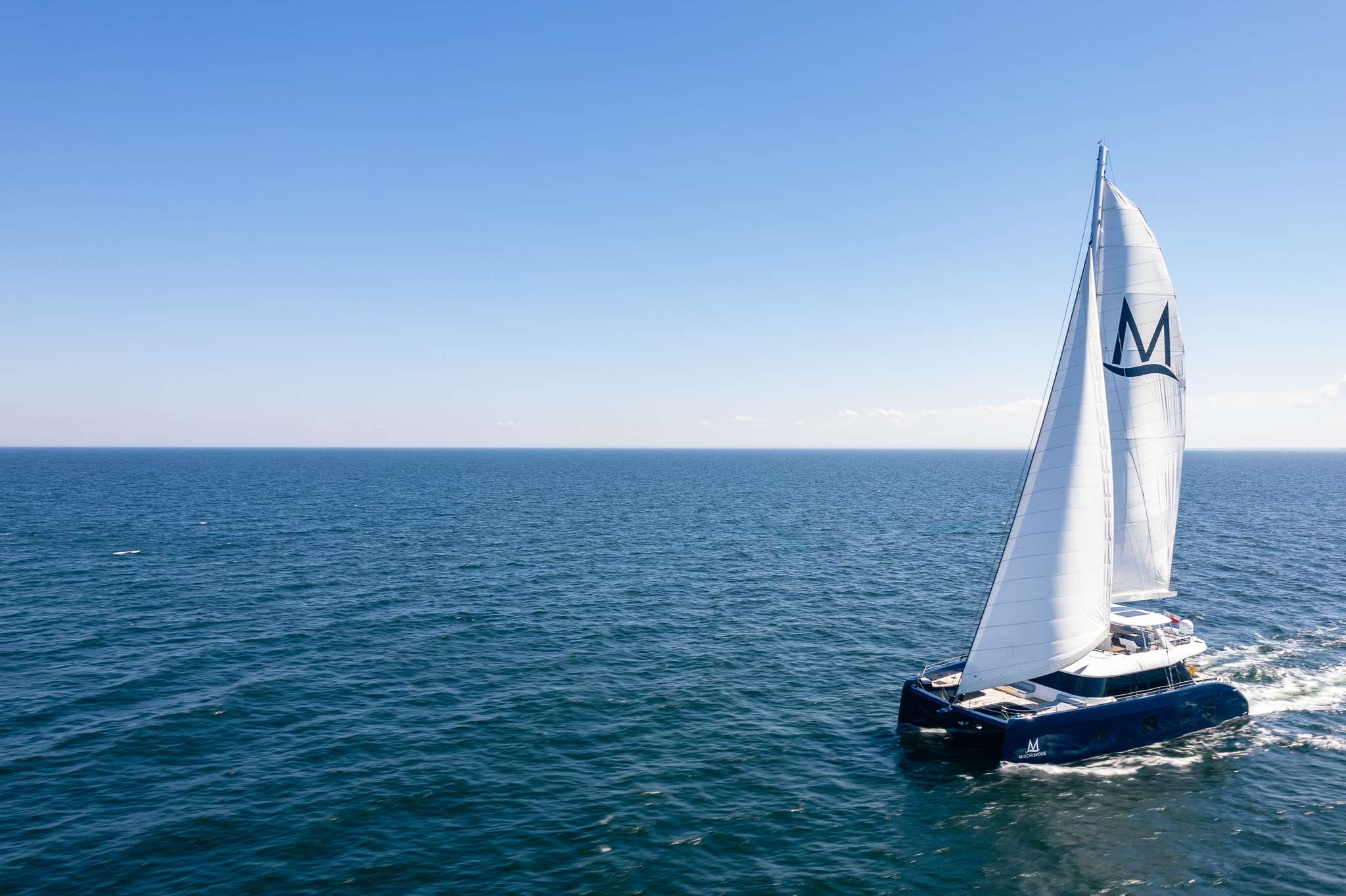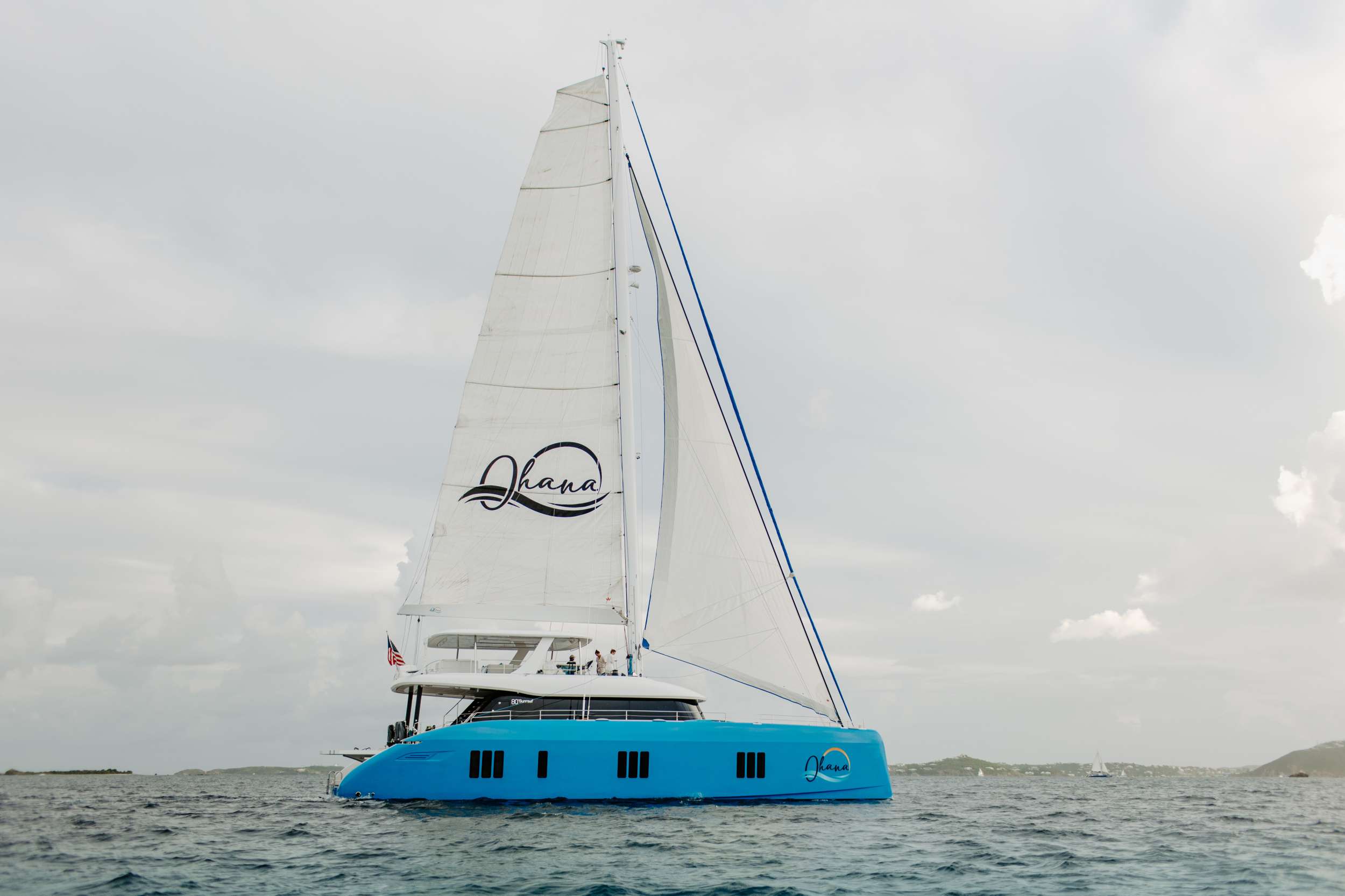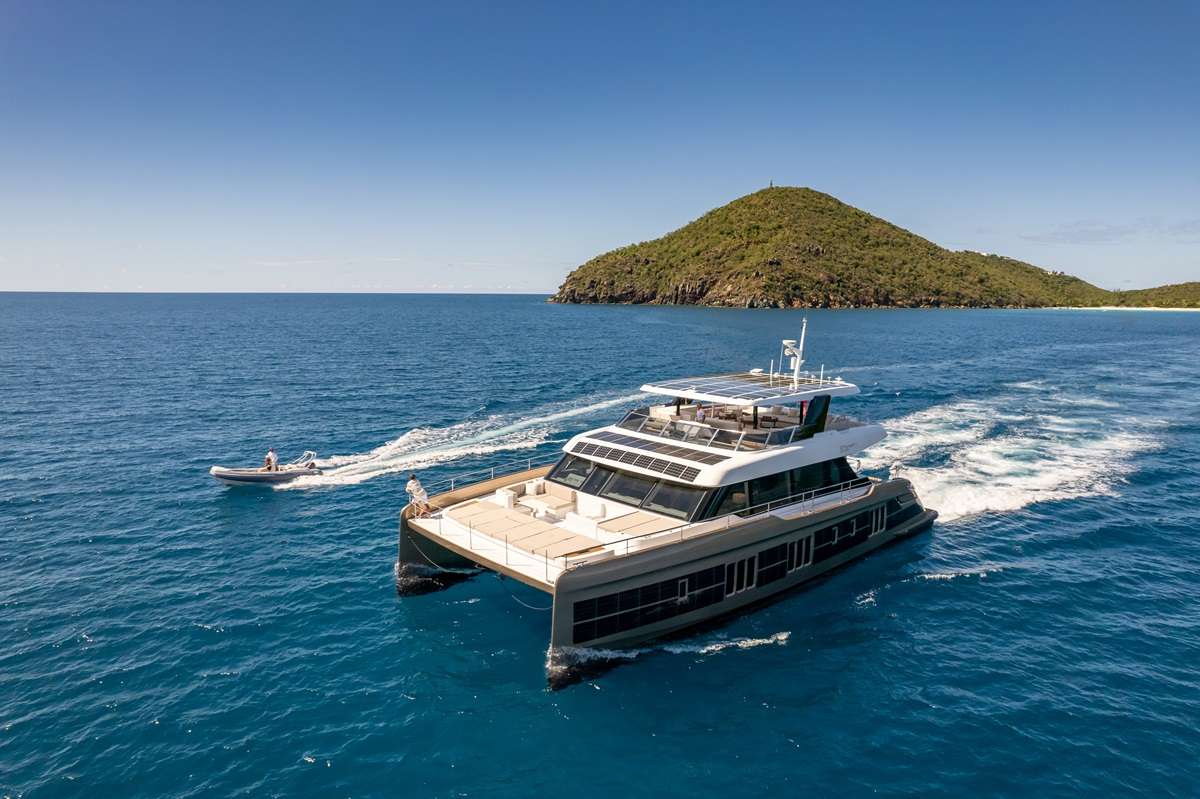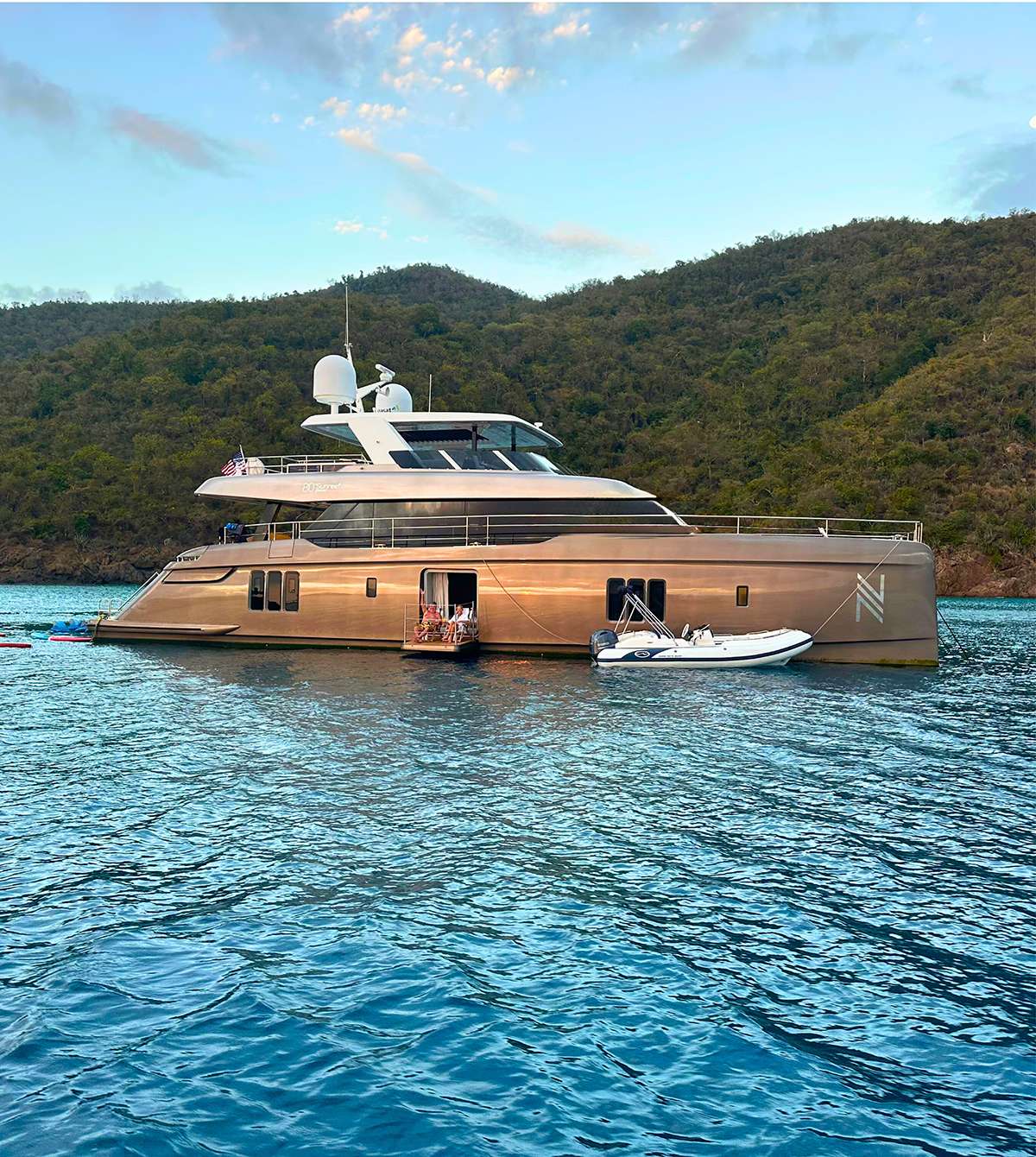


BVI sailing conditions are generally favorable because the islands combine regular easterly trade winds, short passages, and many protected anchorages. Conditions still vary by month, location, swell direction, and the day’s forecast. Your captain should confirm the route using current marine information rather than a fixed seasonal average.
For most guests, the practical questions are whether passages will feel comfortable, whether Anegada fits the forecast, and which yacht type best suits the group. A crewed charter gives the captain flexibility to adjust departure times, sailing legs, and overnight stops while preserving the priorities of the trip.
The most popular time to sail the BVI is from December through April, when easterly or northeasterly trade winds are often well established.
April through early June can also be a good choice, with comfortable winds, warmer water, and lower demand. Conditions are usually more variable later in summer and autumn, which also overlaps with Atlantic hurricane season.
Plan My BVI CharterWind speed alone does not determine comfort. The captain also evaluates wind direction, offshore swell, local wave development, squalls, visibility, currents, yacht size, and the experience of the guests.
The islands create protected channels and numerous alternatives. However, exposed passages and open anchorages can feel very different from sheltered areas on the same day.
The prevailing trade-wind pattern usually comes from the east, with seasonal shifts toward the northeast or southeast. Winter fronts and the stronger Christmas Winds can create brisker sailing, while summer may bring lighter or more variable periods.
For a detailed month-by-month comparison, review the BVI Trade Winds guide. Use it for planning, then confirm the actual forecast shortly before and during the charter.
Ocean swell may arrive from a direction that differs from the local wind. A protected bay can therefore become uncomfortable even when wind speed seems moderate. North swell is especially important when selecting winter anchorages on exposed shores.
The captain may choose a different bay, shorten a leg, or move earlier in the day. This is normal route management, not a reduction in the charter experience.
Many core BVI routes use short passages between Tortola, Norman Island, Peter Island, Cooper Island, and Virgin Gorda. These routes give the crew several sheltered alternatives when conditions change.
Anegada is different because the passage is more exposed and the approach requires local knowledge. The stop should remain conditional on weather, visibility, sea state, and the captain’s judgment.
Compared to other Caribbean destinations, the BVI is unique for its steady winds, short sailing routes, and plentiful anchorages. While some islands involve longer trips or unpredictable weather, the BVI offers consistently smooth sailing. Hence, it’s perfect for both leisure travelers and seasoned sailors.

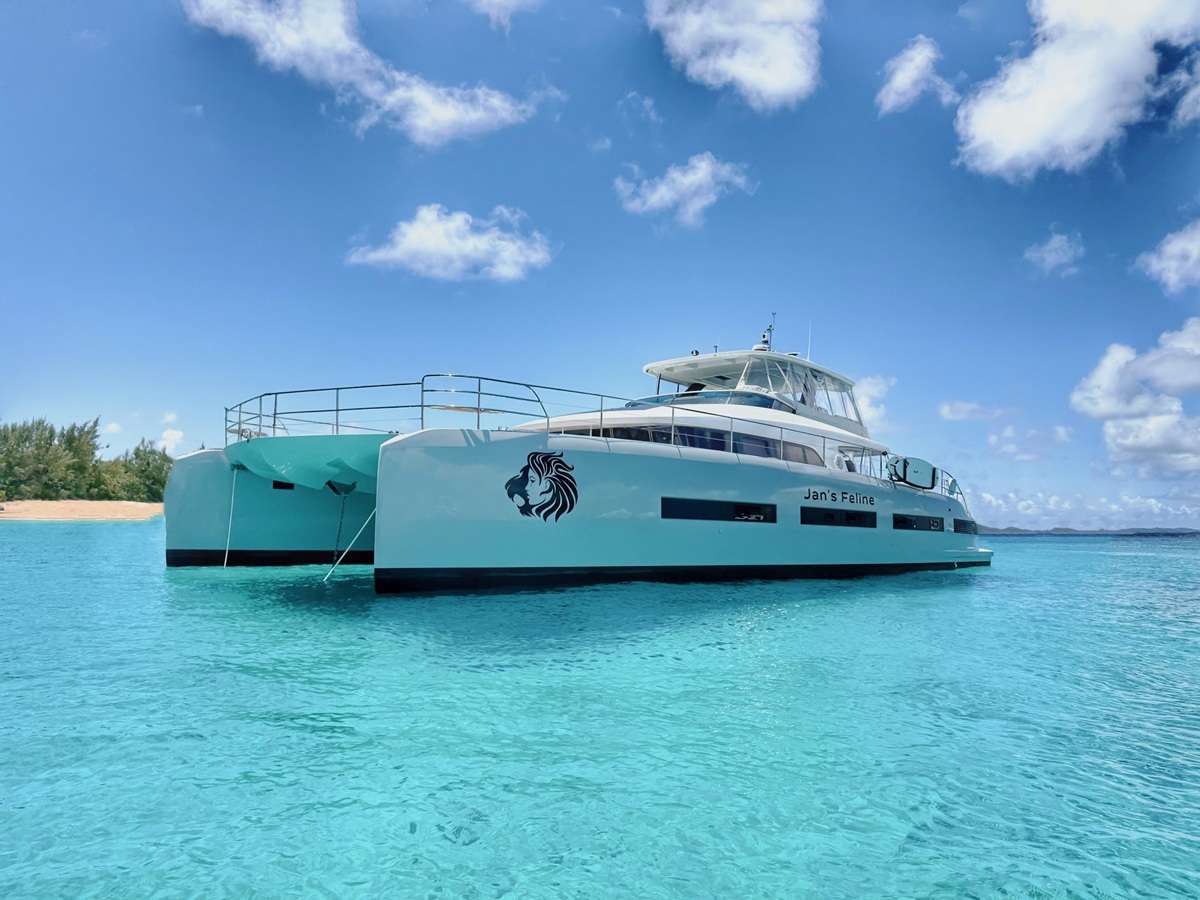
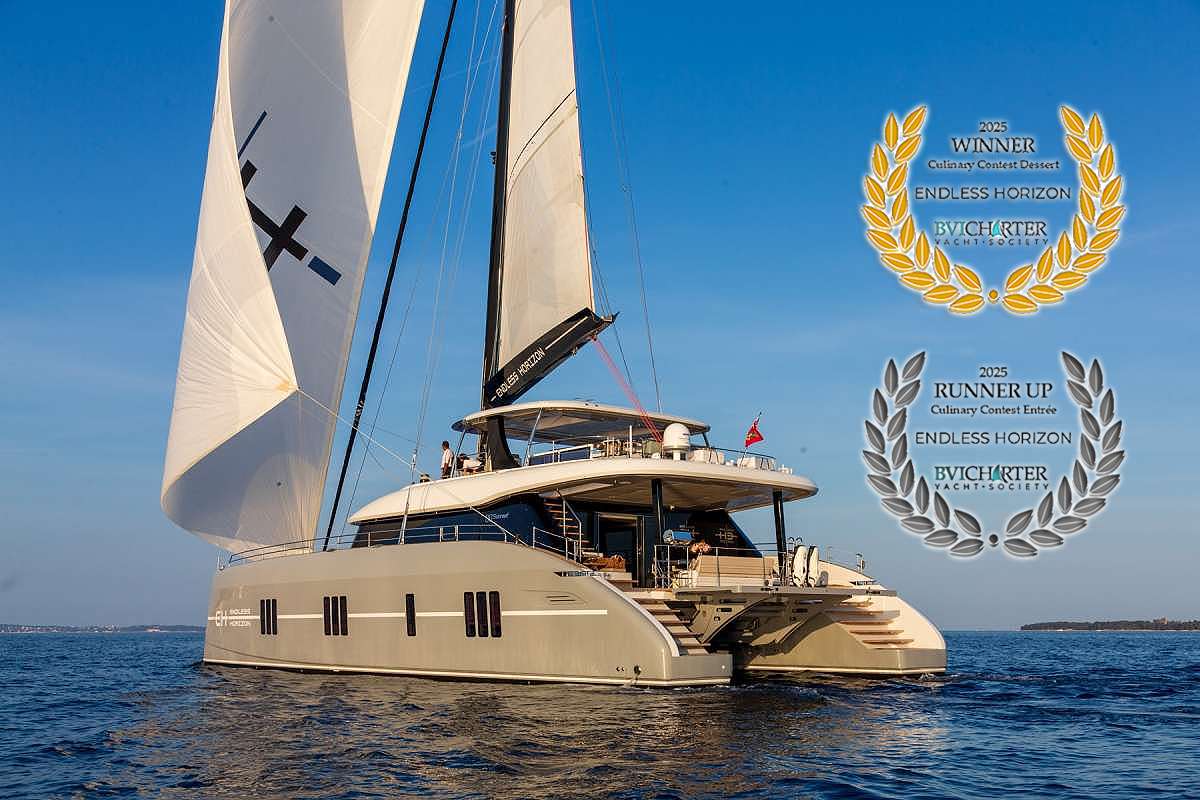
Sailing catamarans provide wide living areas and a stable platform at anchor. Power catamarans reduce reliance on wind and can shorten travel time, although speed and fuel use influence the plan. Motor yachts offer speed and service but may experience motion differently depending on hull design and sea state.
Tell your broker about motion sensitivity, children, mobility needs, and preferred passage lengths. The best yacht is the one that fits the group and expected conditions, not simply the largest available option.
Crewed catamarans are a great fit for the BVI, whether you go with sails or power. Their wide, steady decks suit families and groups, offering comfort in the islands’ breezes and calm waters. Additionally, short island hops and plenty of quiet bays make the BVI ideal for catamaran charters.
No. The BVI has many protected areas, but wind, swell, squalls, and exposed passages can still produce rough conditions.
High season runs from December to April with steady winds and calm seas. Sailing is year‑round, though June–October brings hurricane season and less predictable weather.
Tidal range is minimal, so sailors avoid strong currents or large shifts. See how captains handle unfavorable BVI sailing conditions.
Winter and spring (December–April) bring the most reliable winds and calm seas. Summer and fall can be warmer but may include hurricane season.
No. A professional crew manages the yacht, navigation, and route decisions.
Yes. Every sample route should remain flexible because safety, weather, mooring availability, and guest comfort affect the final plan.
Share your dates, guest count, cabin needs, motion concerns, and preferred pace. BVISAIL will compare suitable yachts and explain how the season may influence your route.
Plan My BVI CharterContact us at 1-321-777-1707 or complete this form to discuss your vacation plans.