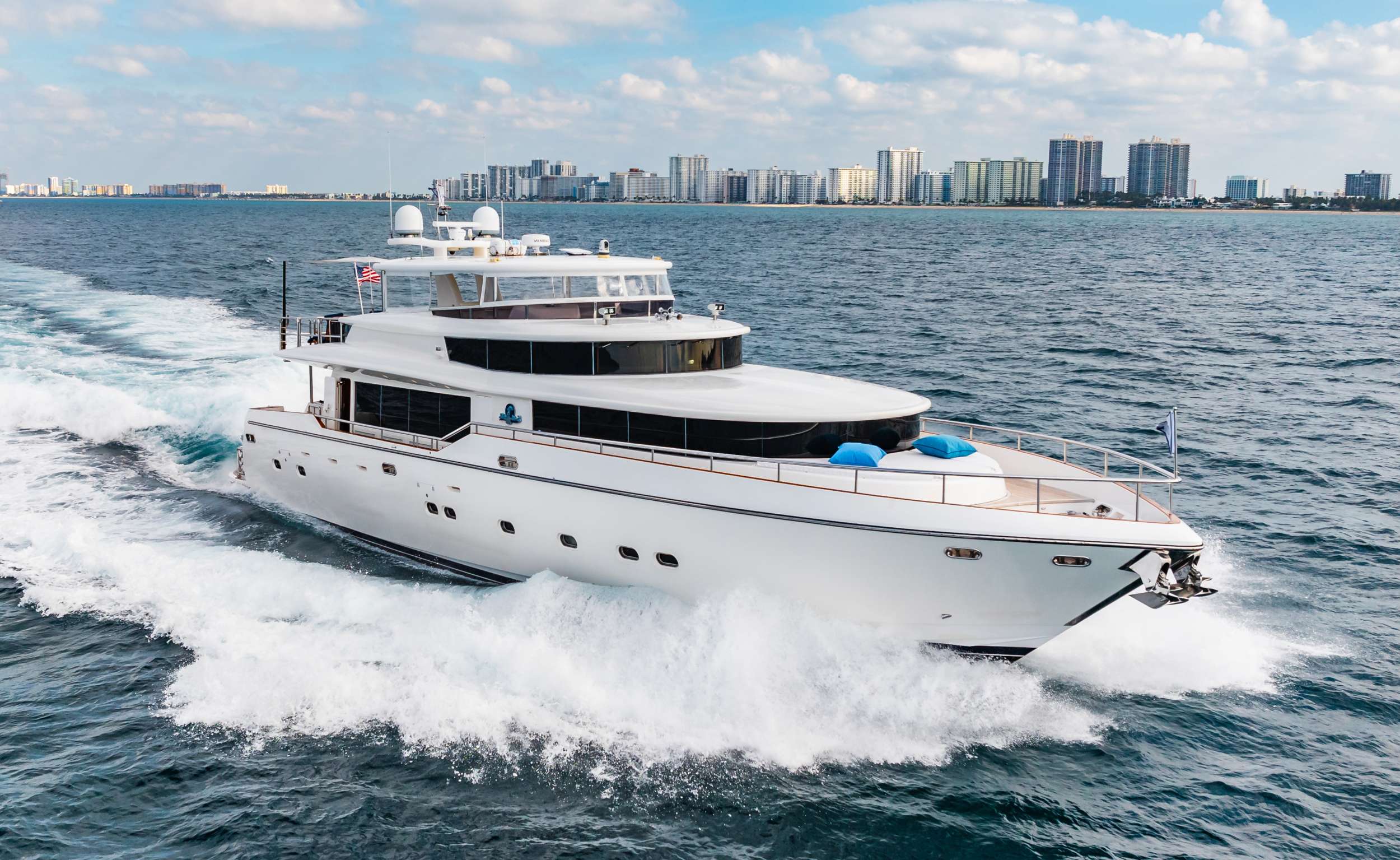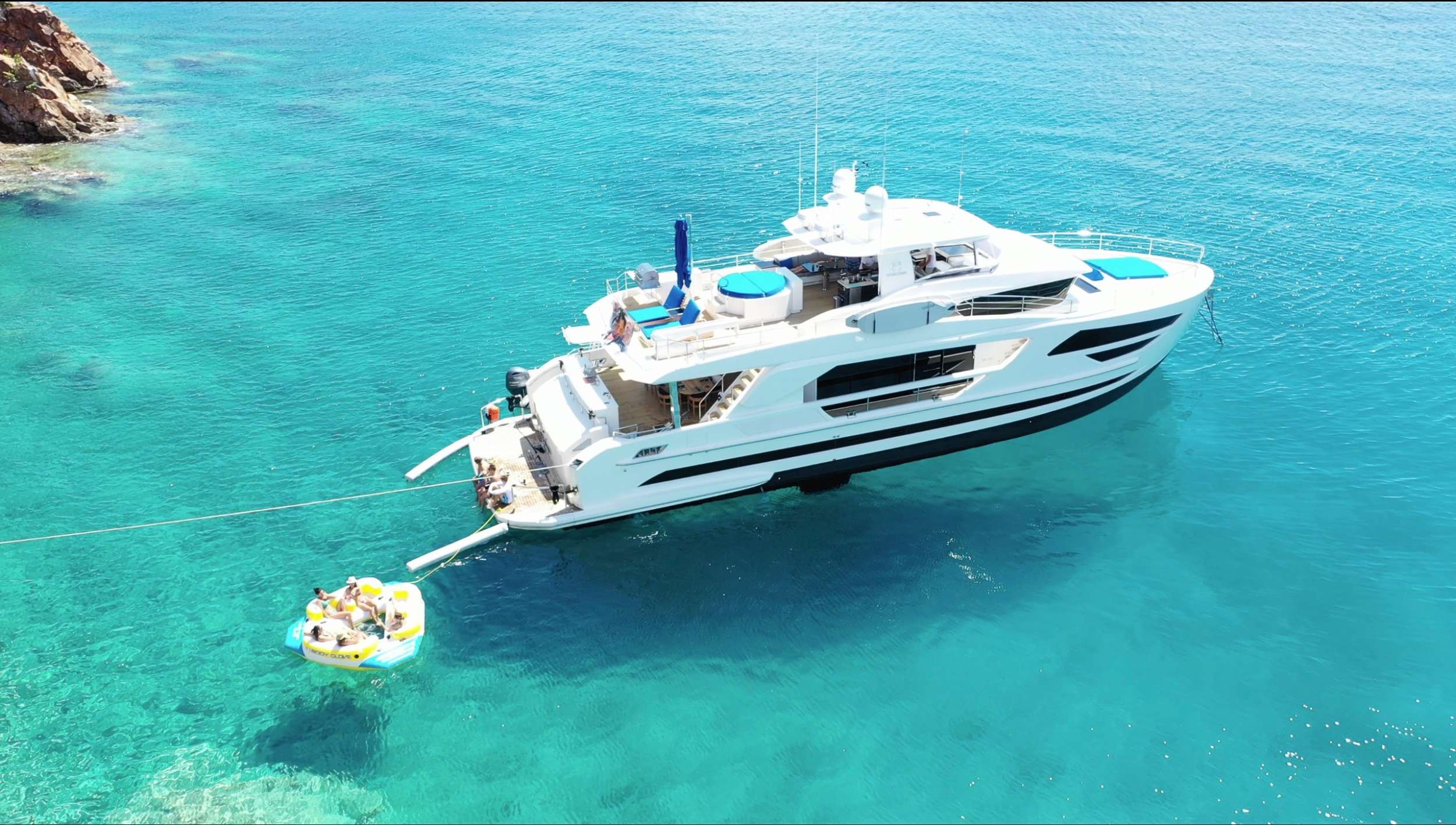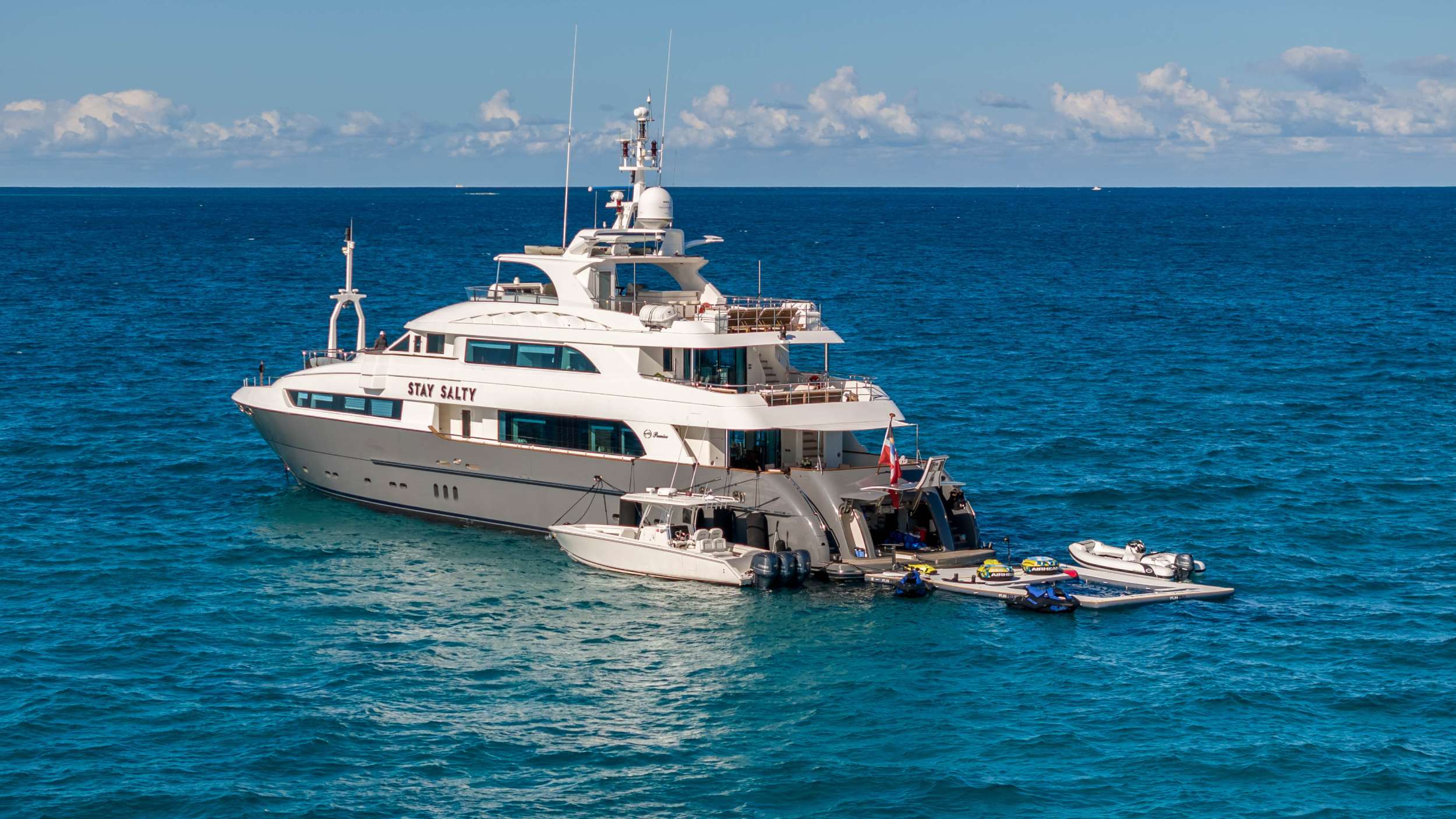

A BVI group yacht charter is easier to organize when we settle capacity, cabin use, costs, and expectations early. We clarify those decisions, highlight the trade‑offs, and match your group with a yacht and crew that make the vacation feel effortless.
For relatives traveling together, see our guide to planning a BVI family reunion yacht charter, with practical help for assigning cabins to households and agreeing on shared expenses. If the trip centers on a birthday, review our BVI milestone birthday yacht charter guide for celebration-specific planning.
We have arranged many group charters, and trips among friends are often the most interesting to plan. Families often have one clear decision‑maker. Groups of eight or ten friends bring competing priorities — and one organizer ends up handling more than expected.
Tell us your guest count, preferred dates, and sleeping arrangements.
We’ll recommend the most practical setup before you spend time comparing unsuitable yachts.

| Group size | Likely setup | Main consideration |
|---|---|---|
| 6–7 guests | One 4-cabin catamaran | Cabin privacy and yacht style |
| 8 guests | One 4- or 5-cabin catamaran | Couples versus solo travelers |
| 9–10 guests | One larger 5-cabin yacht | Cabin equality and shared space |
| 11–12 guests | Large yacht or two yachts | Comfort, availability, and budget |
| More than 12 | Usually two or more yachts | Coordinating crews and itineraries |
If your party has 12 guests, see our dedicated guide to BVI yacht charter options for 12 guests, including featured yachts and guest-capacity conditions.
Most crewed catamarans sleep 6–10 guests in 4–5 cabins. However, a few larger yachts stretch to 12. Beyond that, options narrow fast or require two boats. The key distinction is between capacity and comfort for a week aboard. For a confirmed party of ten, compare 10-person BVI catamarans with five guest cabins before requesting availability.
For groups under eight guests, one yacht almost always works beautifully. At 8–10, cabin layout, bathrooms, and dining space matter more. For example, VOYAGE 510 lists a maximum of 10 guests and 4 cabins in the BVI. Its listed berth arrangement includes queen and single beds, so confirm exactly which berths and cabins are allocated to guests and crew before comparing it with five-cabin options. Past ten, two yachts often deliver a better week than squeezing everyone onto the biggest boat.
Before comparing yachts, decide what size catamaran fits your guest count, sleeping needs, and preferred onboard space.
Cabin planning for friends is more complicated than dividing the guest count by two.
Before comparing yachts, determine:
A useful starting formula is:
One cabin per couple + one cabin per solo guest requiring privacy
Always review the actual layout. A “five‑cabin” listing may hide unequal sizes, bunk beds, or layouts unsuitable for two unrelated adults. Review BVI yacht charter cabin options before assuming every advertised cabin suits a couple or solo traveler.
Ten guests with four couples and two solos may need six cabins if both solos want privacy. A five-cabin yacht technically sleeping ten would not meet that requirement unless the solo guests agreed to share. For an eight-guest group made up of four couples, see our BVI catamaran guide for four couples.
Plan a BVI girls’ trip yacht charter.
Or plan a BVI yacht charter with older family members. Groups traveling with grandparents, parents, children, or teens can also use our multigenerational yacht charter in the BVI guide to compare cabins, privacy, mobility, and onboard activities.
Send us your couples‑and‑singles breakdown, and we will filter for yachts with a workable sleeping arrangement.
Request a Cabin‑Matched Shortlist →No. Most catamarans have differences among their guest cabins. One cabin may be a larger suite, while others differ in space, storage, ventilation, or proximity to machinery. Forward cabins may experience more motion underway, while aft cabins may be closer to engines or generators.
Groups commonly resolve cabin differences in one of three ways:
There is no universally correct method. Agree on the method before deposits—not after arrival.
A private yacht charter is generally priced for the entire yacht rather than by individual guest. Divide the full trip cost by the group’s chosen method to get a realistic per‑person figure. See our cost per person guide for expenses beyond the advertised rate.
Depending on the yacht and agreement, an inclusive rate may cover the yacht, crew, meals, beverages, and cruising costs. However, taxes, cruising permits, premium beverages, dockage, transfers, excursions, diving, special requests, and crew gratuity may be additional.
Use the yacht’s written proposal and contract to confirm inclusions. The CYBA E‑Contract suits inclusive charters but adapts to non‑inclusive or plus‑expenses.
Divide the total estimated trip cost by the number of guests. This is the simplest approach and works well when cabins are relatively similar.
Assign a higher contribution to the primary suite and lower amounts to smaller cabins. This is more equitable when accommodations differ substantially, but the group must agree on the values in advance.
Agree on how your group will divide charter costs.
We work with one organizer who collects funds and pays us directly. First, that person gathers a deposit early. Then, they collect the balance closer to the sail date. Finally, they handle gratuities at the end.
Meanwhile, gratuity is customary, not included, and usually 15–20% of the charter cost. Most groups hand it over in cash, split the same way they split the charter fee. Therefore, we’d rather decide this on day one than do math at the dock.
We can prepare a planning estimate that shows the charter rate, known additional costs, and approximate cost per guest.
Calculate Our Group’s Charter Budget →Not every boat suits every group. In fact, we’re not just filling cabins — we’re matching crew style to how you want to spend the week.
For example, some crews run polished trips with set meals and cocktail hours. Others keep it loose, changing plans with the wind and mood. Likewise, a wellness group of six needs very different energy than a bachelorette group of ten.
We also look at what’s on board — water toys, shade, sound system, swim platform — because friends linger at anchor differently than families. And we flag dietary needs early so the chef can plan without surprises.
Our crew selection guide explains how service style, cuisine, watersports, and chemistry shape the trip.
The organizer can then identify the group’s shared priorities without trying to satisfy every isolated request.
The best yacht is not always the newest or largest — it’s the one whose crew, layout, and onboard experience fit your group.
Share your group brief with us, and we will explain why each recommended yacht belongs on the shortlist.
Sometimes the better answer isn’t a bigger boat — it’s two boats.
We suggest splitting into two yachts when numbers pass ten, when single‑boat options miss the mark, or when the group wants different rhythms. Two yachts can handle different cabin needs or onboard rhythms. They may allow separate price points, but the total cost is usually higher than one yacht.
Buddy‑boating works naturally in the BVI. Anchorages sit close enough to share beach days and dinners ashore, while each yacht runs its own onboard rhythm. We handle the extra logistics so the group doesn’t have to.
| Priority | One yacht | Two yachts |
|---|---|---|
| Everyone together onboard | Best | Limited to shared shore activities |
| Cabin availability | More constrained | Greater flexibility |
| Privacy | Lower | Higher |
| Budget | Usually lower overall | Usually higher overall |
| Different group rhythms | Harder to accommodate | Easier to accommodate |
| Planning complexity | Lower | Higher, but broker-managed |
BVI season runs high from December through April. The bigger the group, the earlier we need to move — large‑party yachts are the first to disappear.
For peak season with eight or more, we start 9–12 months out, especially if we want a specific yacht or two‑boat setup. Meanwhile, smaller peak‑season groups can move 6–9 months out. Shoulder and summer months open options, but hurricane season (June–Nov) requires insurance and contingency planning.
Furthermore, milestone birthdays, weddings, reunions, and bachelorette trips usually have fixed dates. Combining fixed dates with a large group sharply reduces flexibility, so these trips benefit most from early planning.
Read our booking timeline guide for seasonal timing, holidays, fixed dates, and larger yachts.
In the British Virgin Islands, short sails leave more time for water and shore. That geography makes it forgiving when not everyone wants the same thing.
A balanced itinerary might pair social stops like North Sound or Jost Van Dyke with quiet time near Cooper Island or Norman Island. However, visit The Baths on Virgin Gorda only when conditions, timing, and mobility allow.
Overall, treat the itinerary as flexible, not fixed. Captains adjust routes according to weather, sea conditions, mooring availability, and guest preferences.
Every friends’ charter brings competing opinions. Without a clear process, the organizer risks weeks of forwarding listings with no progress.
We start with dates, budget, cabins, priorities, and atmosphere. Then we cut the market to a handful of suitable yachts and explain the trade‑offs:
We also handle contracts, payments, preference forms, and dietary notes. The organizer stays involved in the real decisions without becoming the group’s unpaid travel department.
Tell us who’s traveling, what disagreements exist, and which details can’t be compromised.
We will turn that information into a manageable shortlist.
Plan cabin sharing, group‑friendly activities, balanced pacing, and anchorages suited to a week among friends.
Create a meaningful celebration on the water while keeping décor, dining, excursions, and guest logistics manageable.
Balance different ages, mobility needs, activity levels, and sleeping arrangements across one or two yachts.
Coordinate dates, cabins, decorations, dining, and social stops without letting the planning overwhelm the bride or organizer.
Choose a yacht and crew suited to slower itineraries, thoughtful menus, quiet anchorages, and wellness activities.
Families organizing their first group charter should also review our first-time BVI family charter planning guide for practical advice on guest comfort, cabin arrangements, and preparing younger travelers.
Before requesting yacht recommendations, confirm:
This information is enough to begin. Collect meal, beverage, and activity preferences after choosing the yacht.
Choose a group yacht with a suitably sized jacuzzi.
A BVI group yacht charter runs smoothly when we settle cabins, costs, and payments before booking. Then, once those are clear, matching you with the right yacht, crew, and itinerary is far easier. The best charters aren’t about money. They’re about clear expectations, the right yacht, compatible people, and steady support.
Send us your dates, estimated guest count, cabin needs, and budget range.
We’ll identify the decisions and recommend the next step.
Many crewed catamarans accommodate six to ten guests in four or five cabins. Some larger yachts accept twelve, while groups exceeding a yacht’s capacity will generally need two or more vessels.
The amount depends on the yacht, season, number of guests, cabin arrangement, and what the charter rate includes. Calculate the per-person amount from the estimated complete trip cost—not only the advertised yacht rate.
No. It’s customary at 15–20% of charter cost, usually paid in cash at the end.
For eight or more guests in peak winter or holidays, start planning 9–12 months. Fixed dates, specific crew requirements, and two-yacht arrangements justify starting even earlier.
No. In fact, cabins can differ in size, bed access, storage, location, and noise or motion exposure. The group should agree on assignments and any price differences before paying the deposit.
On one hand, a single yacht keeps everyone together and will usually cost less overall. On the other hand, two yachts may provide better cabins, privacy, and flexibility for groups of ten.
Crews coordinate routes, but they can’t guarantee identical daily movements. Weather, mooring availability, yacht capabilities, and each captain’s safety judgment may require adjustments.
Contact us at 1-321-777-1707 or complete this form to discuss your vacation plans.