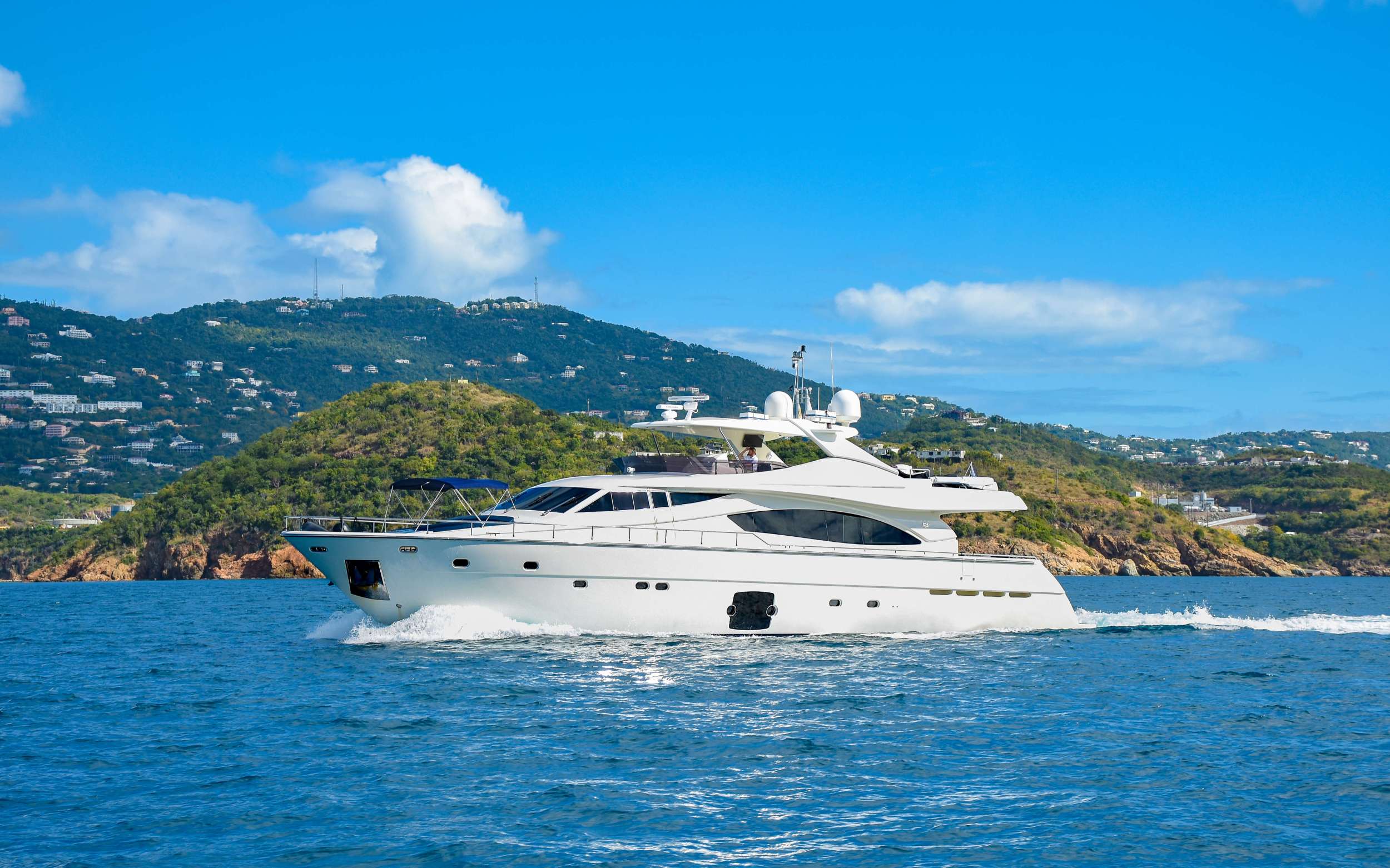
The best time to sail BVI depends on whether your priority is reliable winter conditions, quieter anchorages, charter value, family dates, or stronger sailing performance. There is no single month that is best for every group.
Most charter demand falls between December and April. April through early June can be an attractive shoulder period. Summer and autumn may offer more availability, but the official Atlantic hurricane season and individual yacht operating schedules require careful review.
As BVI charter specialists booking yachts year‑round, we track seasonal availability, rate shifts, and weather patterns daily. This firsthand expertise ensures our clients receive accurate, timely guidance when planning their escape.
From New York, London, Dallas, Toronto, or San Francisco, CA., you can reach the BVI in under a day and step aboard your crewed yacht. Most guests fly into St. Thomas (STT) or San Juan (SJU), then connect to Tortola for boarding.
Choose January through March for established winter demand and livelier trade-wind sailing. Choose April through early June for warmer water, generally lighter demand, and balanced conditions. Consider late November or early December for pre-holiday travel, subject to yacht schedules and current weather.
Plan My BVI CharterThe best time to sail the British Virgin Islands is typically December through May, when travelers enjoy steady trade winds, low rainfall, calm seas, and ideal temperatures ranging from 77°F to 85°F.
December through April is the core BVI charter season. Yachts, crews, marinas, restaurants, and island services are generally active, although the most popular weeks can sell out early.
Winter trades can be brisk. Guests who are sensitive to motion should discuss yacht design, cabin location, and route flexibility with their broker.
Late spring often offers a useful balance of warm weather, moderate winds, and more yacht choice than the winter holidays. Pricing is yacht-specific, so compare current proposals rather than assuming a universal shoulder-season discount.
Late November may also work when yachts have returned to service, but commissioning schedules and storm-season procedures can affect availability.
School calendars often make holiday weeks and spring break attractive. These periods can carry special rates and stricter booking terms.
Families should also consider passage comfort, children’s ages, swimming ability, cabin layout, and the balance between sailing and time ashore.
Guests who value sailing performance may prefer the more established winter trades. However, stronger wind is not automatically better for every itinerary.
Compare the month-by-month BVI Trade Winds guide and tell your broker how much sailing your group wants. A crewed captain can shape the route around conditions and comfort.
The Atlantic hurricane season runs from June 1 through November 30, with climatological activity usually greatest from mid-August into October. Weather is not the only constraint because some yachts leave the region or schedule maintenance during this period.
Confirm the yacht’s operating location, owner approval, travel insurance, and named-storm provisions before paying a deposit.
Planning a BVI yacht charter? Whether it’s the famous Spring Regatta or a quiet family escape, the islands have something for everyone.
The real question is: what matters most to you?

Steady trade winds, low humidity, and warm Caribbean days averaging 77–85°F (25–29°C). Seas remain calm with crystal‑clear visibility—perfect for sailing and diving.
This is the high season for a reason. Holiday weeks and spring break book 9–12 months in advance, with luxury catamarans and motor yachts priced from $25,000–$60,000+ per week.
Protected waters and short cruising distances make the BVI one of the safest and most welcoming destinations for new charterers. From Virgin Gorda to Jost Van Dyke, every anchorage feels naturally pristine.
The season also brings the BVI Spring Regatta, drawing sailors worldwide for racing, lively parties, and a vibrant Caribbean celebration.
Best for: Winter escapes, guaranteed sailing conditions, festive atmosphere.
Weather remains excellent, with slightly lighter winds and calm seas—perfect for relaxed sailing and diving.
Anchorages feel more peaceful, beaches less busy, and evenings at favorites like Soggy Dollar Bar are quieter and more intimate.
Charter rates soften before summer begins. A catamaran priced at $38,000 in February often drops to $32,000–$34,000 in May, with more options available across fleets.
Late spring is the insider’s sweet spot—swap crowded commutes for quiet sunsets, spreadsheets for snorkeling at The Baths, and enjoy premium yachts at a better value.
Best for: Couples, milestone trips, families with flexible schedules.
Summer rates are more attractive, with larger yachts opening up for families and groups.
Captains monitor weather closely and adjust itineraries seamlessly, ensuring comfort despite brief tropical showers. Travelers with insurance can secure dramatic savings during hurricane season.
July and August bring warmer seas and occasional showers, while September–October is officially hurricane season. Some yachts relocate, others remain at significant discounts for those prepared with contingency plans.
Families enjoy calm bays, paddleboarding, and snorkeling Norman Island caves or diving the RMS Rhone. September–October offers near‑empty anchorages and rare tranquility—perfect for solitude seekers.
Learn what happens if the weather changes during your charter.
November signals the return of steady trade winds and the reopening of seasonal beach clubs.
Charter rates remain moderate before the December holiday surge, offering a balance of improving weather and pre‑peak pricing.
Thanksgiving week fills quickly, especially for American travelers flying from New York, Miami, Houston, and Chicago. Outside of that, November offers barefoot dinners under the stars and relaxed sailing before peak demand.
We’ll help you choose the perfect yacht, itinerary, and travel dates.
The sailing season influences more than weather—it shapes yacht selection:
Sailing catamarans thrive in the BVI’s peak season (Dec–Apr) with steady trade winds for a classic sailing experience. Power catamarans offer speed and flexibility, reaching quieter anchorages regardless of wind.
Ideal if you want to cover more ground—from Anegada’s flats to Peter Island—in less time. Luxury Motor Yachts in the BVI’s prime season (Dec–Apr) highlight speed, comfort, and effortless island-hopping.
For purists who appreciate the art of wind-powered cruising. Perfect during steady-trade-wind months from December through June.
One reason the best time to visit the British Virgin Islands is nearly year‑round is accessibility.
The BVI’s short cruises, easy line‑of‑sight navigation, and protected waters make it a rewarding sailing destination. No matter when you sail, timeless highlights include:
Start with the dates your group can travel. Then compare yacht availability, airfare, holiday pricing, weather preferences, and route priorities.
If Anegada is essential, keep the itinerary flexible. No broker or captain should guarantee a specific passage months in advance.
Yes. December marks the start of peak season, offering the best weather, steady trade winds, and festive holiday demand.
Book 9–12 months ahead for peak season (December–April). For shoulder months (May–June, November), 6–8 months ahead is ideal. Summer charters (July–August) often allow shorter booking windows.
Chef‑prepared meals, bar, water toys, air‑conditioned cabins, crew, Wi‑Fi, and fuel. Sometimes, mooring fees complete the package.
Highlights include snorkeling The Baths at Virgin Gorda and savoring lobster on Anegada. Sunset cocktails, paddleboarding, and diving the RMS Rhone add to the adventure.
Hurricane season runs June through November, with the highest risk in September–October.
Rates are lowest in July–October during hurricane season, and soften again in the May–June shoulder season.
It is one factor. Guest count, cabins, budget, speed, motion sensitivity, and preferred service also matter.
Christmas, New Year’s, and popular winter or school-break weeks often see the highest demand.
It can be. May is warmer and may offer lower demand, but exact conditions and yacht availability must be checked.
Your perfect escape starts here, whether you’re comparing yachts, requesting a tailored itinerary, or speaking directly with our charter specialists.
At CKIM Group, we curate the right yacht, the right crew, and the right season for you. Whether you’re leaving a Manhattan winter, a Texas boardroom, or London rain, within hours you’re barefoot on deck, surrounded by crystal‑clear Caribbean waters.
Contact us at 1-321-777-1707 or complete this form to discuss your vacation plans.